
Silver Maple Tree
1-2'
$12.95
Ships: 12/01/2026 - 04/01/2027
Description
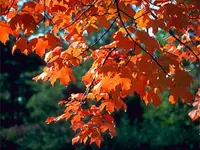
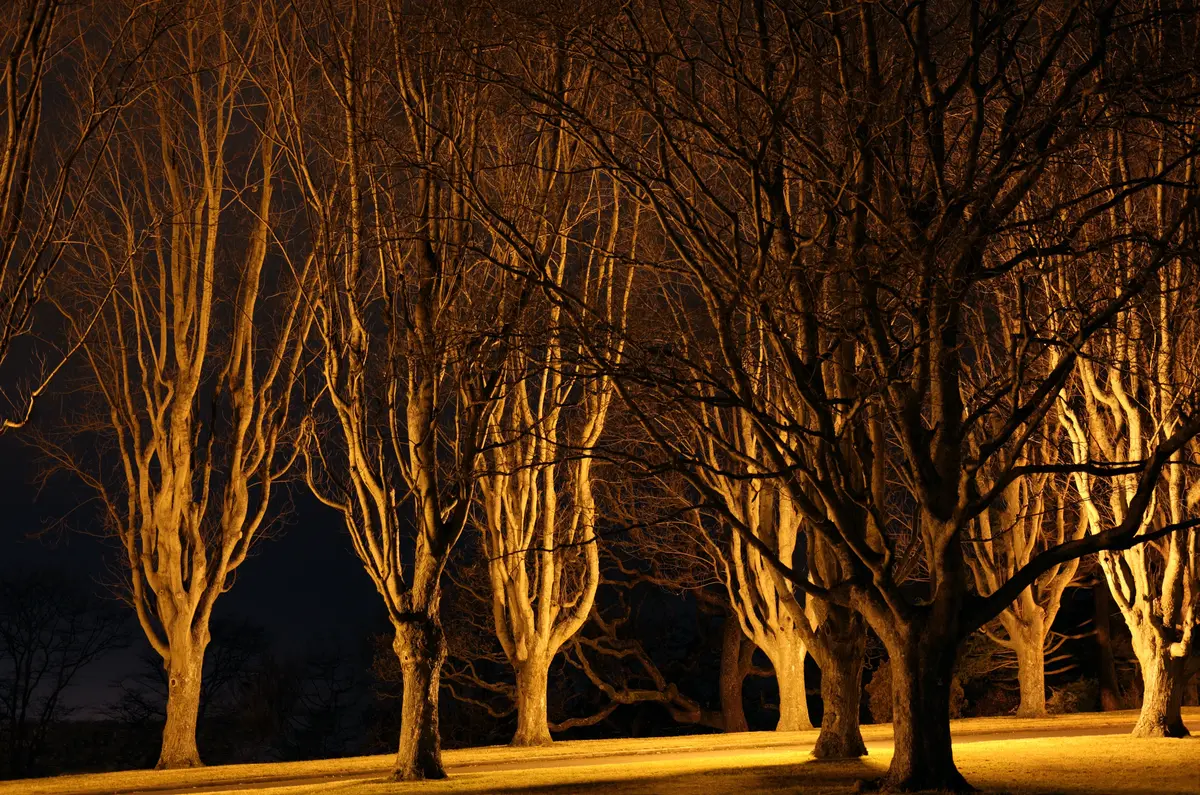
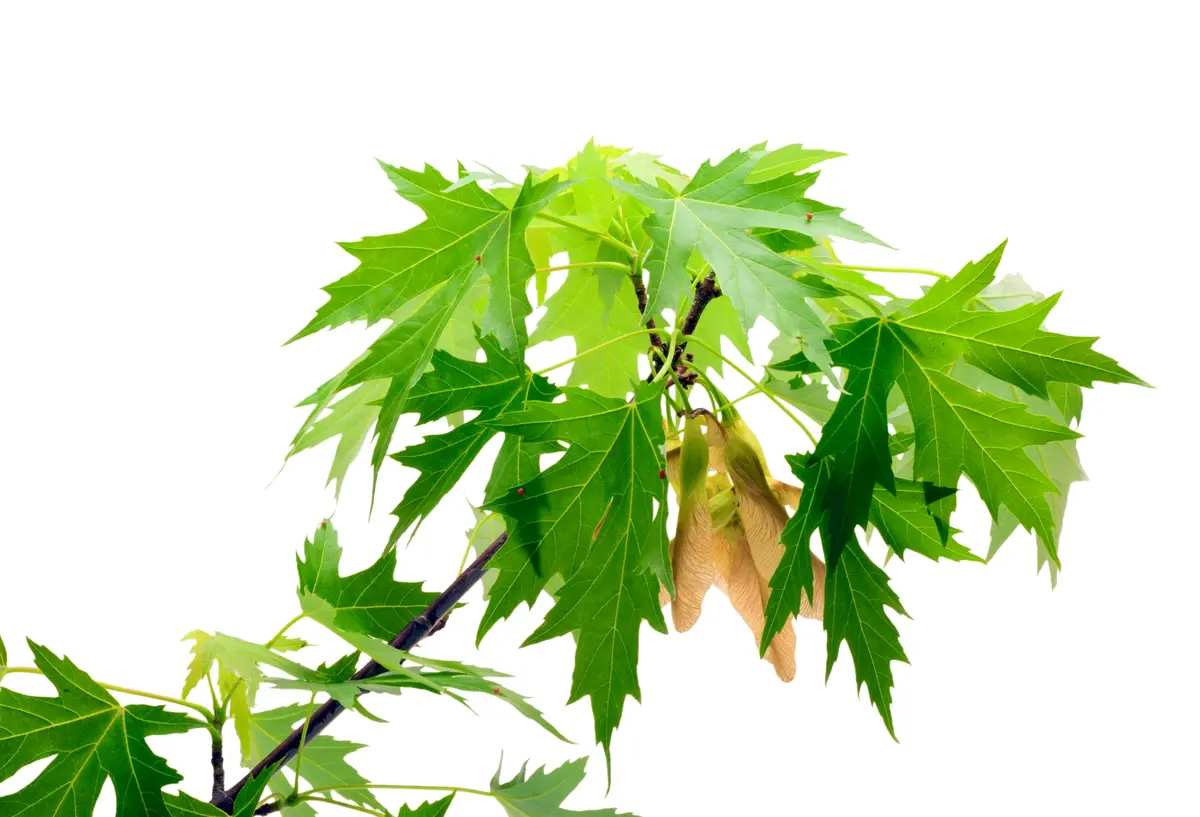
The Silver Maple Tree, also known as Acer Saccharinum, grows quickly to a maximum height of 50-60' and a spread of up to 45'. This tough tree needs ample space to grow out its canopy of silver-bottomed leaves. Silver Maples are a popular choice due to their tolerance to various planting factors such as poor and compacted soil and hot/dry conditions. Perhaps the best feature of a Silver Maple Tree is the leaves, whose dazzling silvery-white undersides flicker with the slightest breeze drawing your eyes to full attention. It is also a primary food source for many types of wildlife. This tree is very effective for growing in poor draining soil since they will grow in areas where water has been standing for weeks at a time.
Characteristics
| Hardiness Zone Range | 4 - 9 |
Pricing
Zones
USDA Hardiness Zones
A hardiness zone is a geographic area defined as having a certain average annual minimum temperature, a factor relevant to the survival of many plants. In some systems other statistics are included in the calculations. The original and most widely used system, developed by the United States Department of Agriculture (USDA) as a rough guide for landscaping and gardening, defines 13 zones by long-term average annual extreme minimum temperatures. It has been adapted by and to other countries (such as Canada) in various forms. A plant may be described as "hardy to zone 10": this means that the plant can withstand a minimum temperature of −1.1 to 4.4 °C (30 to 40 °F).
Grows in zones: 4 - 9
This product grows in your zone!
A hardiness zone is a geographic area defined as having a certain average annual minimum temperature, a factor relevant to the survival of many plants. In some systems other statistics are included in the calculations. The original and most widely used system, developed by the United States Department of Agriculture (USDA) as a rough guide for landscaping and gardening, defines 13 zones by long-term average annual extreme minimum temperatures. It has been adapted by and to other countries (such as Canada) in various forms. A plant may be described as "hardy to zone 10": this means that the plant can withstand a minimum temperature of −1.1 to 4.4 °C (30 to 40 °F).