
American Elderberry Plants
(1 Year)(Sale Price)
$7.95
Ships: 12/01/2026 - 03/15/2027
Description
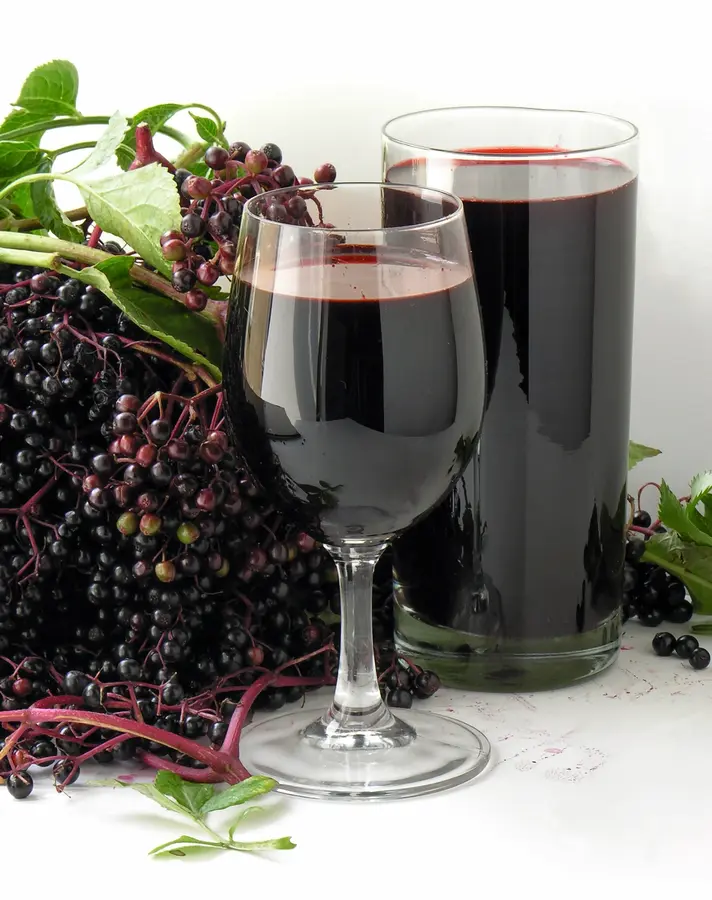
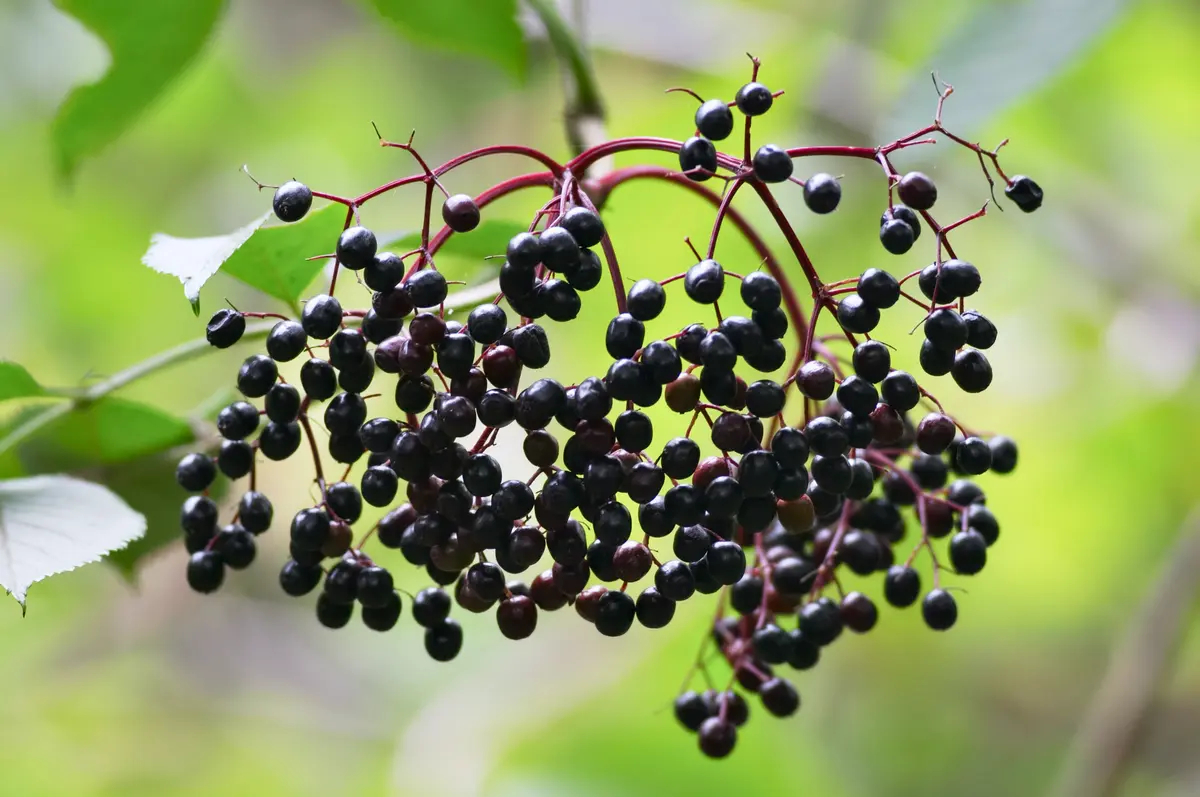
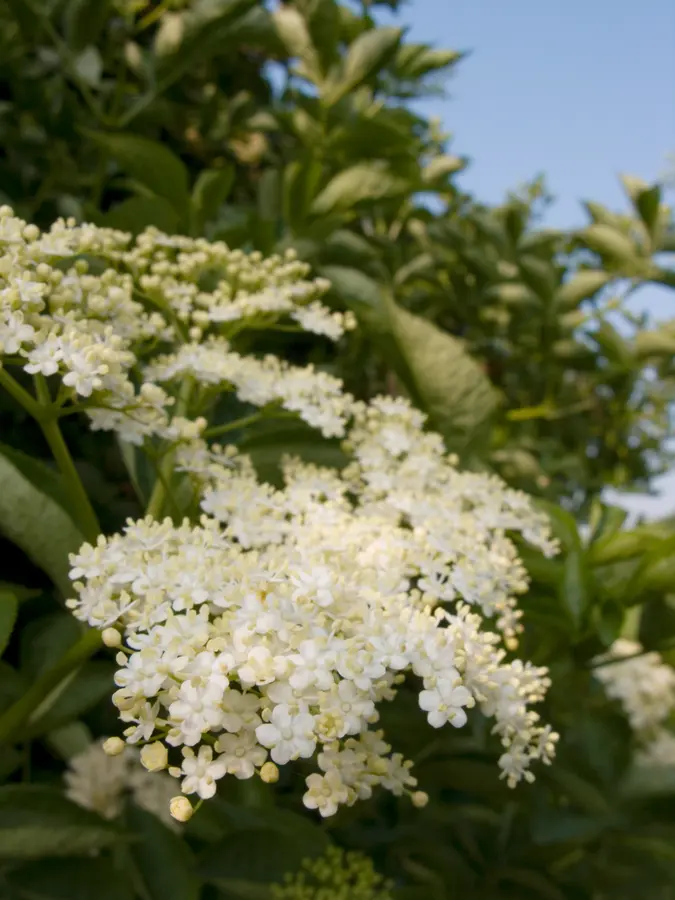
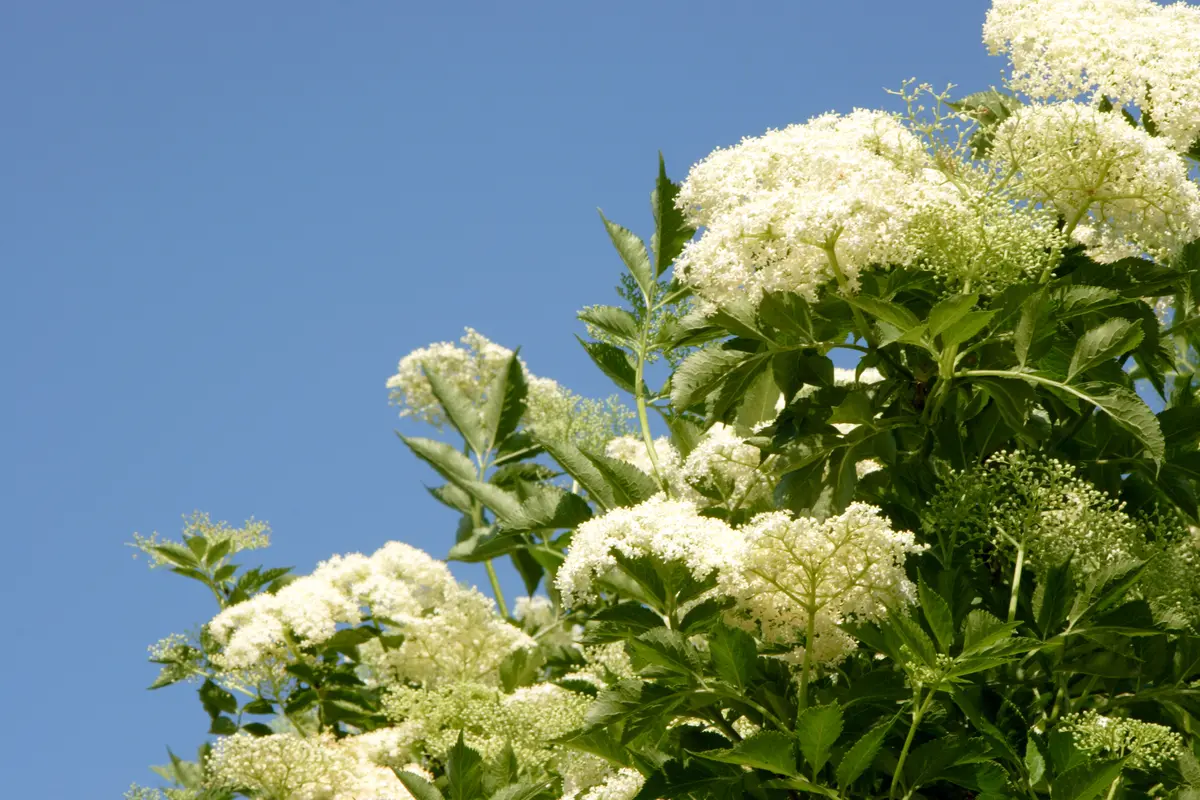
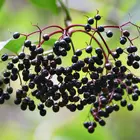
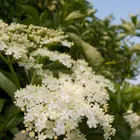
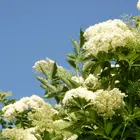
This native shrub, American Elderberry or Sambucus canadensis, has been known for its delicious fruit (for use in jellies, pies or wine) since native American times. It has more recently been used in landscapes for its spectacular blossoms and dramatically colored berries. Our Elderberry bushes for sale also offer a fantastic wildlife habitat, providing both shelter for small animals and a healthy food source. We also have more berry plants for sale online. Elderberries are both drought and cold-tolerant, adapt to almost any soil type and most drainage conditions and have few pests. They grow 6 to 12 feet high in an oval or rounded shape. The white flower clusters are generally 6 to 10 inches in diameter and are very showy with a nice fragrance. The fruit, which is pleasantly tart but high in vitamin C, is a smooth round berry measuring three-sixteenths-inch in diameter growing in broad flat clusters. Willis Orchards has American elderberry plants for sale all year long, however, the deep purple to black berries ripen in early August to late September and are a treat for song birds, turkeys, quail, squirrels, deer, and people.
Characteristics
| Bloom Color | Creamy-White |
| Bloom Time | Late Spring - Early Summer |
| Fruit Color | Purple-Black |
| Fruit Size | Small, in clusters |
| Hardiness Zone Range | 3 - 9 |
| Pollination | Partially Self-fertile. Recommend multiple plants. |
| Ripens/Harvest | Mid-Late Summer |
| Shade/Sun | Full Sun to Part Shade |
| Soil Composition | Rich, loamy, and well-draining |
| Soil Moisture | Keep the soil consistently moist but never waterlogged. |
| Soil pH Level | 5.5-6.5 |
| Taste | Tart, earthy when uncooked |
| Texture | Soft |
| Years to Bear | 2-3 years |
| Mature Width | 8-12 Feet |
| Mature Height | 8-12 Feet |
Pricing
| Size | Price | Ships |
|---|---|---|
|
(1 Year)(Sale Price)
|
$7.95 | 12/01/2026 - 03/15/2027 |
|
(10 Plants) (1 Year)
|
$74.95 | 12/01/2026 - 03/15/2027 |
|
+/-2' (2 Year)(Sale Price)
|
$12.95 | 12/01/2026 - 03/15/2027 |
|
(10 Plants) +/-2' (2 Year)
|
$109.95 | 12/01/2026 - 03/15/2027 |
|
+/-3' (Sale Price)
|
$24.95 | 12/01/2026 - 03/15/2027 |
|
(10 Plants) +/-3'
|
$199.95 | 12/01/2026 - 03/15/2027 |
|
4-5' (3 Year - Fruiting Size)
|
$49.95 | 12/01/2026 - 03/15/2027 |
Zones
USDA Hardiness Zones
A hardiness zone is a geographic area defined as having a certain average annual minimum temperature, a factor relevant to the survival of many plants. In some systems other statistics are included in the calculations. The original and most widely used system, developed by the United States Department of Agriculture (USDA) as a rough guide for landscaping and gardening, defines 13 zones by long-term average annual extreme minimum temperatures. It has been adapted by and to other countries (such as Canada) in various forms. A plant may be described as "hardy to zone 10": this means that the plant can withstand a minimum temperature of −1.1 to 4.4 °C (30 to 40 °F).
Grows in zones: 3 - 9
This product grows in your zone!
A hardiness zone is a geographic area defined as having a certain average annual minimum temperature, a factor relevant to the survival of many plants. In some systems other statistics are included in the calculations. The original and most widely used system, developed by the United States Department of Agriculture (USDA) as a rough guide for landscaping and gardening, defines 13 zones by long-term average annual extreme minimum temperatures. It has been adapted by and to other countries (such as Canada) in various forms. A plant may be described as "hardy to zone 10": this means that the plant can withstand a minimum temperature of −1.1 to 4.4 °C (30 to 40 °F).