
Red Maple Tree
1-2'
$14.95
Ships: 12/01/2026 - 04/01/2027
Description
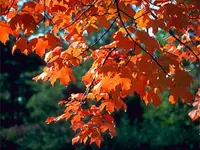
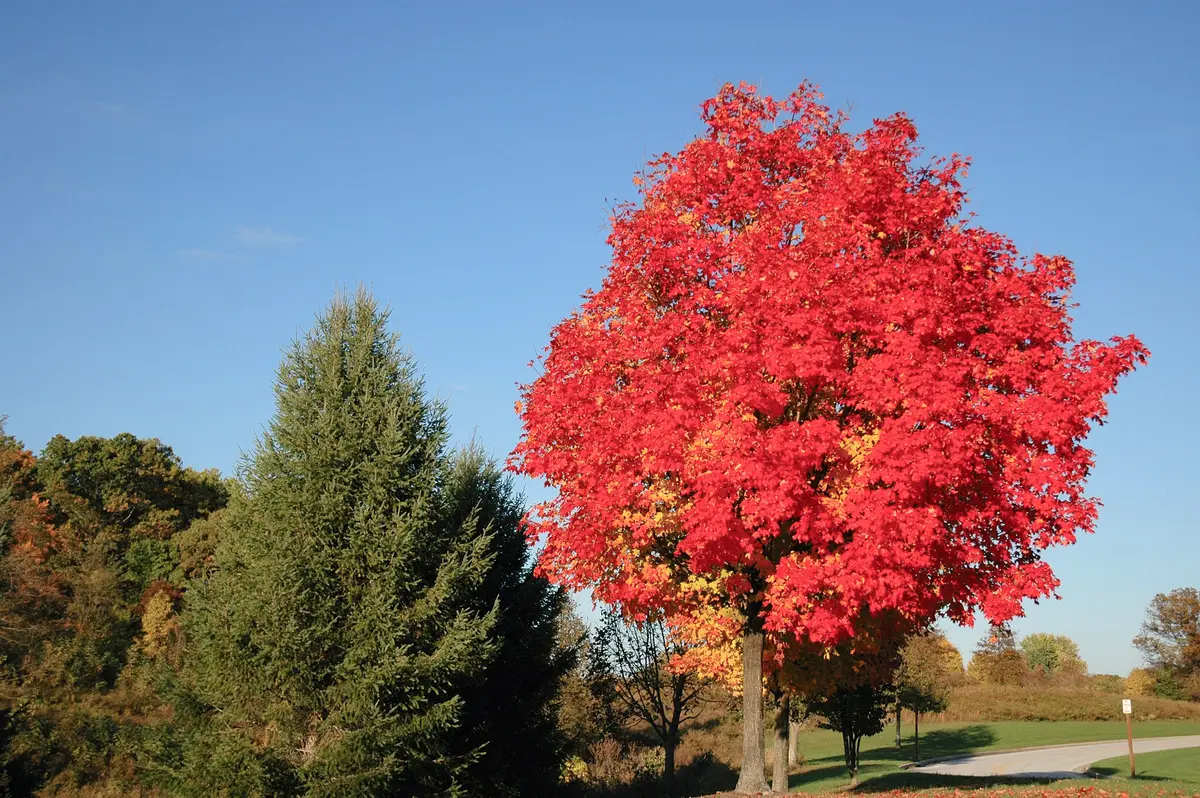
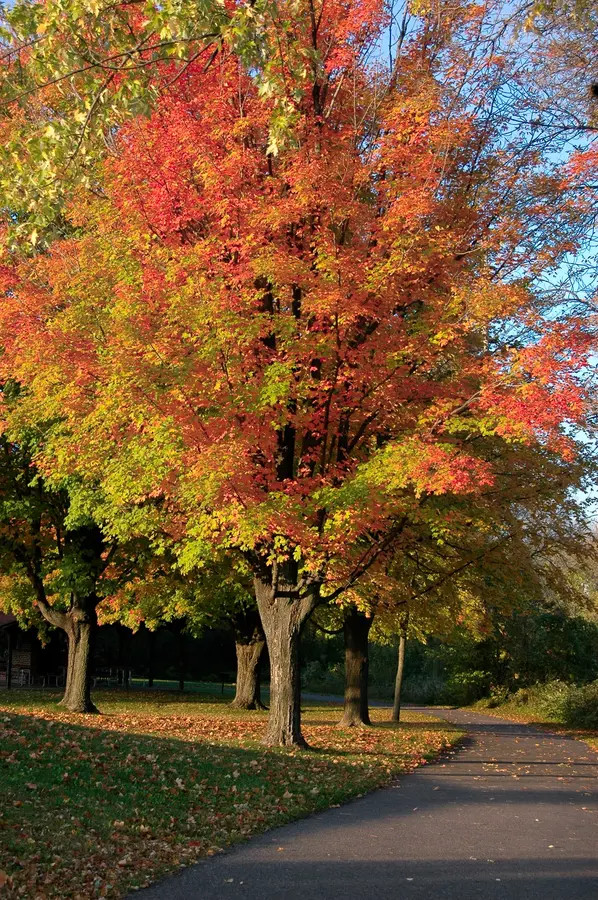
The Red Maple is known as such because it is one of the first trees to change its color in the fall--a brilliant scarlet red--and bears many small red flowers in April. The red maple tree's scientific name is Acer Rubrum. This tree can grow to a maximum height of 40-60' with a spread of 25-45'. The Red Maple has the widest tolerance to climate conditions of all the maples. It transplants very easily and is a fast grower. Trees grow best in full sun with wet soil conditions. Choose Willis Orchards for top-quality red maple trees and even more fast-growing varieties for sale!
Characteristics
| Hardiness Zone Range | 4 - 9 |
Pricing
Zones
USDA Hardiness Zones
A hardiness zone is a geographic area defined as having a certain average annual minimum temperature, a factor relevant to the survival of many plants. In some systems other statistics are included in the calculations. The original and most widely used system, developed by the United States Department of Agriculture (USDA) as a rough guide for landscaping and gardening, defines 13 zones by long-term average annual extreme minimum temperatures. It has been adapted by and to other countries (such as Canada) in various forms. A plant may be described as "hardy to zone 10": this means that the plant can withstand a minimum temperature of −1.1 to 4.4 °C (30 to 40 °F).
Grows in zones: 4 - 9
This product grows in your zone!
A hardiness zone is a geographic area defined as having a certain average annual minimum temperature, a factor relevant to the survival of many plants. In some systems other statistics are included in the calculations. The original and most widely used system, developed by the United States Department of Agriculture (USDA) as a rough guide for landscaping and gardening, defines 13 zones by long-term average annual extreme minimum temperatures. It has been adapted by and to other countries (such as Canada) in various forms. A plant may be described as "hardy to zone 10": this means that the plant can withstand a minimum temperature of −1.1 to 4.4 °C (30 to 40 °F).