
Japanese Maple Tree
1-2'
$16.95
Ships: 12/01/2026 - 04/01/2027
Description
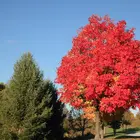
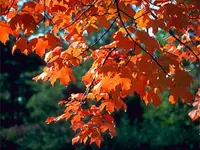
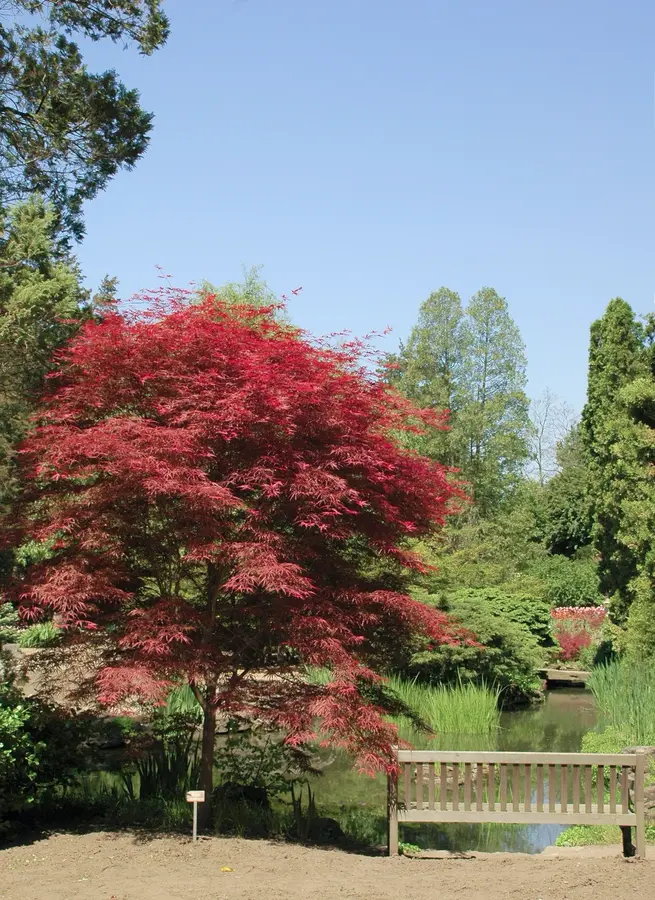
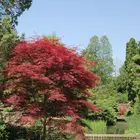
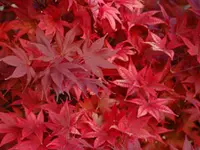
Our Japanese Maple Trees for sale are a landscape favorite, having a fine textured foliage, with a light, airy appearance. It is upright and broadly spreading, able to reach a height of 20 feet and a spread of 24 feet. Buy a Japanese Maple Tree for a gorgeous fall display of red, orange, yellow and copper leaves to your landscape. Its will also flourish well between larger shade trees. These red Japanese Maple Trees have a slow growth rate, and pruning is necessary when young to develop a strong structure. Trees should be planted in an area that is partial sun/shade with well drained soil with protection from drying winds.
Characteristics
| Hardiness Zone Range | 5 - 8 |
Pricing
| Size | Price | Ships |
|---|---|---|
|
1-2'
|
$16.95 | 12/01/2026 - 04/01/2027 |
|
+/-3'
|
$24.95 | 12/01/2026 - 04/01/2027 |
|
+/-4'
|
$39.95 | 12/01/2026 - 04/01/2027 |
Zones
Shaded areas show where this product grows.
USDA Hardiness Zones
A hardiness zone is a geographic area defined by average annual minimum winter temperatures, helping gardeners determine which plants can survive in their region. Developed by the USDA, the 13 numerical zones indicate cold hardiness—for example, a plant "hardy to zone 10" tolerates minimum temperatures of 30 to 40 °F (−1.1 to 4.4 °C).
Grows in zones: 5 - 8
A hardiness zone is a geographic area defined by average annual minimum winter temperatures, helping gardeners determine which plants can survive in their region. Developed by the USDA, the 13 numerical zones indicate cold hardiness—for example, a plant "hardy to zone 10" tolerates minimum temperatures of 30 to 40 °F (−1.1 to 4.4 °C).