

Yamhill Hazelnut
2-3' (1/4"caliper)
$29.95
Ships: 12/15/2026 - 04/01/2027
Description
This product cannot be shipped to Oregon.
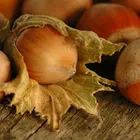
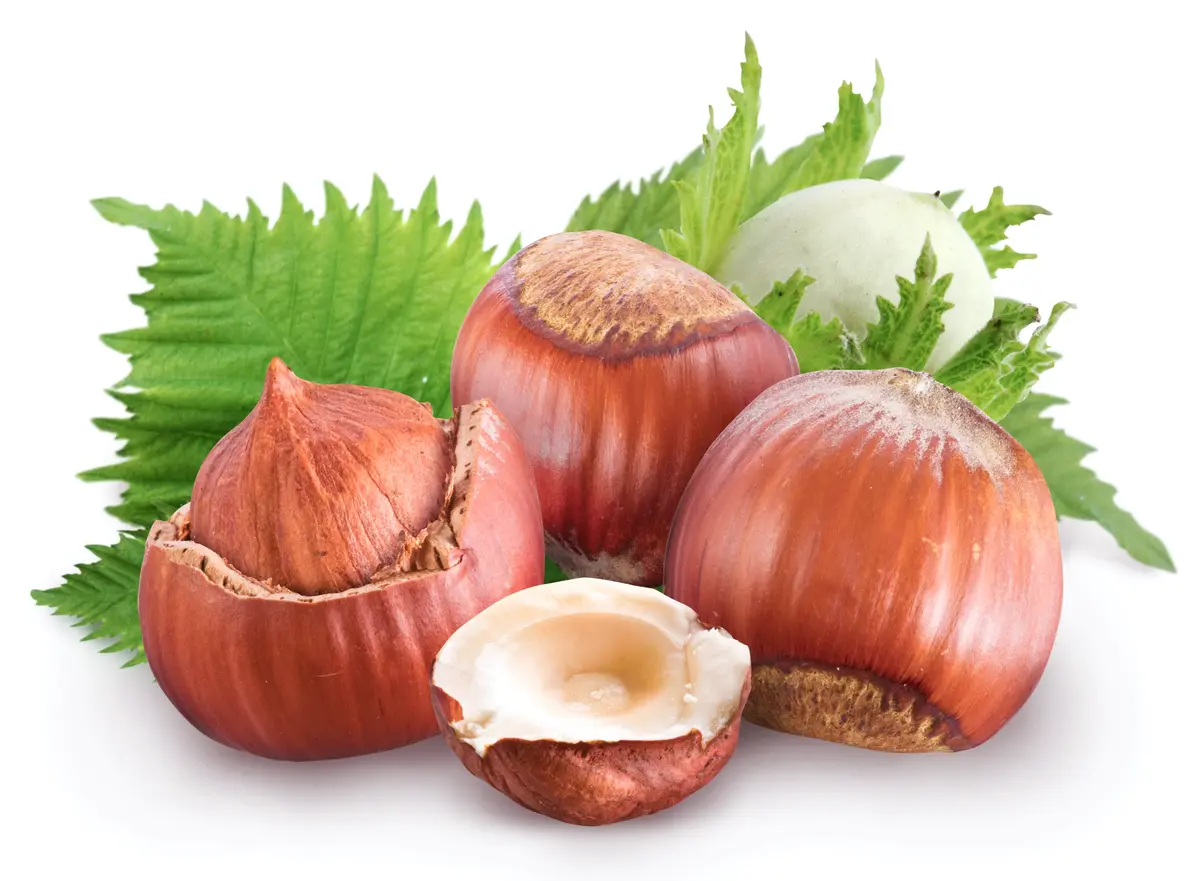
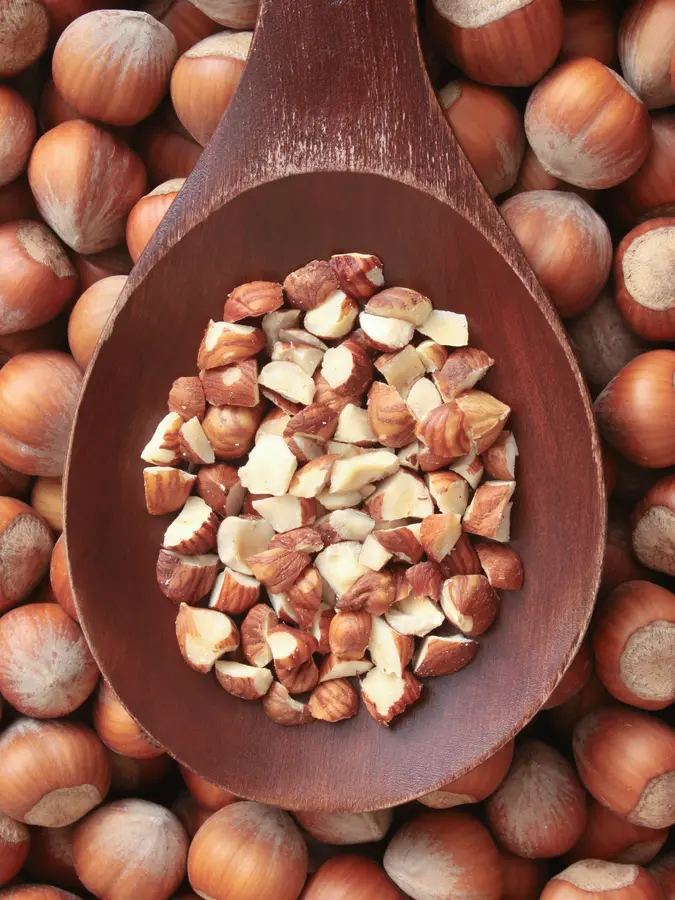
The Yamhill Hazelnut tree is an improved selection that has complete immunity to Filbert Blight and is more insect resistant than common hazelnut trees. It has also been touted as the best kernel variety of all hazelnut trees. Yamhill Hazelnut trees are relatively small, but produce heavy yields of delicious round nuts that ripen early. For maximum harvest, plant with Tonda Di Giffoni or Grand Traverse ensuring proper pollination. (Zones 5-8)
Characteristics
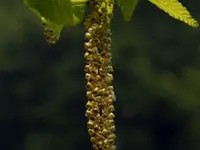
| Bloom Color | Male: Greenish-Yellow; Female: Bright Red |
| Bloom Time | Late Winter - Early Spring |
| Fruit Color | Light Brown |
| Fruit Size | 0.5 inch diameter |
| Hardiness Zone Range | 5 - 8 |
| Pollination | Requires Pollinator |
| Ripens/Harvest | September - October |
| Shade/Sun | Full Sun; Tolerates Partial Shade |
| Soil Composition | Loam |
| Soil Moisture | Moist but Well Draining |
| Soil pH Level | 6.0-7.0 |
| Taste | Rich & Buttery |
| Texture | Smooth |
| Years to Bear | 3-8 |
Zones
USDA Hardiness Zones
A hardiness zone is a geographic area defined by average annual minimum winter temperatures, helping gardeners determine which plants can survive in their region. Developed by the USDA, the 13 numerical zones indicate cold hardiness—for example, a plant "hardy to zone 10" tolerates minimum temperatures of 30 to 40 °F (−1.1 to 4.4 °C).
Grows in zones: 5 - 8
This product grows in your zone!
A hardiness zone is a geographic area defined by average annual minimum winter temperatures, helping gardeners determine which plants can survive in their region. Developed by the USDA, the 13 numerical zones indicate cold hardiness—for example, a plant "hardy to zone 10" tolerates minimum temperatures of 30 to 40 °F (−1.1 to 4.4 °C).