

Beaked Hazelnut
6-12" (Limited Supply)
$14.95
Ships: 12/01/2026 - 04/01/2027
Description
This product cannot be shipped to Oregon.
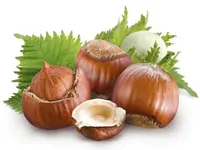
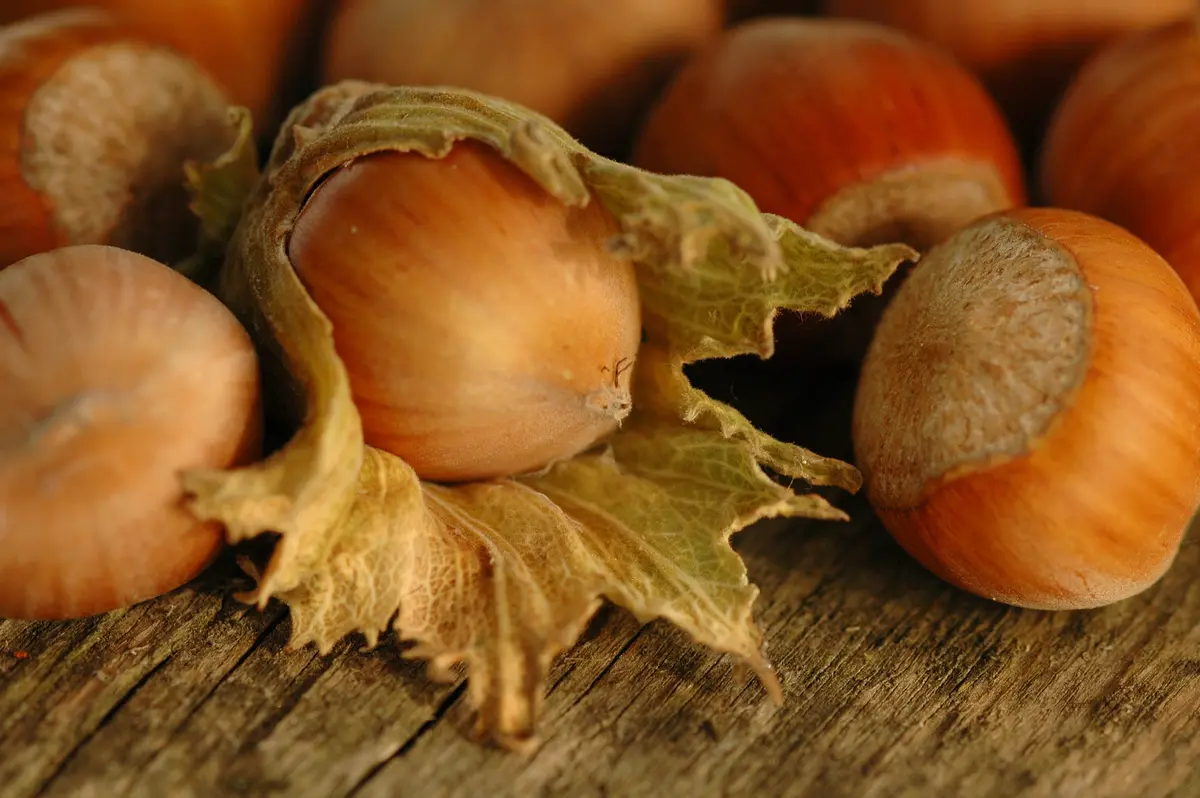
The deciduous Beaked Hazelnut, with its multi-stemmed base and loosely spreading branches, tends to grow as a shrub or small tree and is capable of reaching heights up to 12' tall. The Beaked Hazelnut tree is adorned with bright green leaves and smooth light brown bark that is sometimes striped with white. The small, red flowers that bloom in early to mid-May are an excellent source of nectar for many different butterfly species. The Beaked Hazelnut produces a smooth round nut enclosed in a very hard shell which is wrapped in a leafy case that protrudes beyond the nut like a beak. The nuts are tasty and were once commonly eaten by humans but now provide cover and food for wildlife such as deer, squirrels, pheasants and grouse. When planting hazelnut trees, keep in mind that the Beaked Hazelnut will tolerate full shade but thrives in full sun. The nuts are a wildlife delicacy that starts falling to the ground in late summer and remain until eaten by the deer and turkeys that love them.
Characteristics
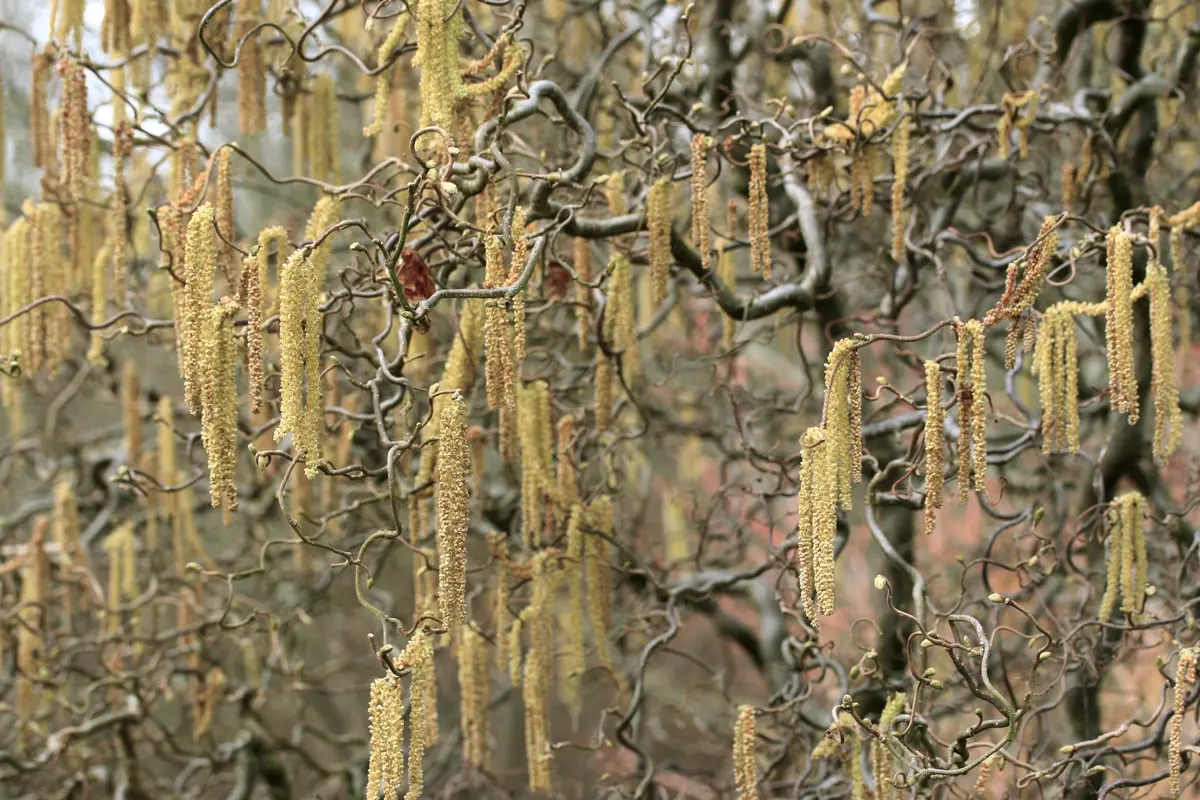
| Bloom Color | Male; Greenish-Yellow: Female; Bright Red |
| Bloom Time | Late Winter - Mid Spring |
| Fruit Color | Brown |
| Fruit Size | 0.3-0.5 inch diameter |
| Hardiness Zone Range | 4 - 8 |
| Pollination | Requires Pollinator |
| Ripens/Harvest | July - August |
| Shade/Sun | Full Sun; Tolerates Partial Shade |
| Soil Composition | Loam w/High Organic Content |
| Soil Moisture | Moist but Well Draining |
| Soil pH Level | 5.5-7.0 |
| Taste | Rich & Earthy |
| Texture | Crisp |
| Years to Bear | 3-8 |
Zones
USDA Hardiness Zones
A hardiness zone is a geographic area defined by average annual minimum winter temperatures, helping gardeners determine which plants can survive in their region. Developed by the USDA, the 13 numerical zones indicate cold hardiness—for example, a plant "hardy to zone 10" tolerates minimum temperatures of 30 to 40 °F (−1.1 to 4.4 °C).
Grows in zones: 4 - 8
This product grows in your zone!
A hardiness zone is a geographic area defined by average annual minimum winter temperatures, helping gardeners determine which plants can survive in their region. Developed by the USDA, the 13 numerical zones indicate cold hardiness—for example, a plant "hardy to zone 10" tolerates minimum temperatures of 30 to 40 °F (−1.1 to 4.4 °C).