
Sand Cherry Tree
+/-2'
$12.95
Ships: 12/01/2026 - 03/15/2027
Description
This product cannot be shipped to California.
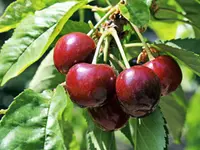
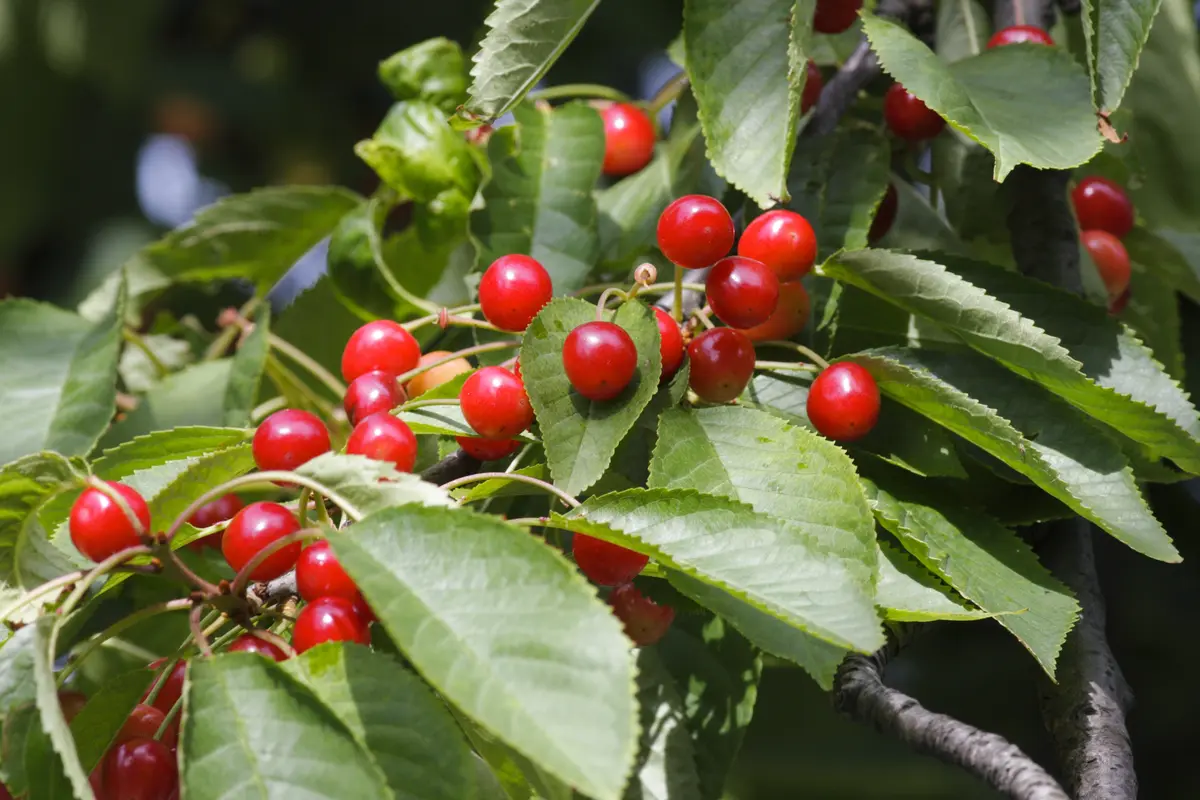
The name, Sand Cherry Tree, comes from the fact that it is found in dry, sandy soils and was first noticed for frost hardiness, its vigor and reduced requirements in cultivation. The drought tolerant tree-like shrub grows 4-6 ft. with equal spread at maturity and produces stunning white 1/2 in. blossoms in late winter to early spring. Glorious foliage and dark purple-black fruits follow the flowers providing food for many songbirds. The Sand Cherry Tree leaves are a pleasing gray-green and are an excellent cover for wildlife habitats. Adapts to a broad range of soils and likes full sun. If the Sand Cherry fruit goes uneaten, it can hang on the fruiting cherry tree until the leaves fall off in late Autumn.
Characteristics
| Bloom Color | White |
| Bloom Time | Mid Spring - Early Summer |
| Fruit Color | Dark Purple |
| Fruit Size | 1/3 - 1/2 inch diameter |
| Hardiness Zone Range | 3 - 6 |
| Pollination | Self Fertile |
| Ripens/Harvest | August |
| Shade/Sun | Full Sun |
| Soil Composition | Sandy Loam |
| Soil Moisture | Well Draining |
| Soil pH Level | 6.0-7.0 |
| Taste | Tart |
| Texture | Firm |
| Years to Bear | 3-7 |
Zones
USDA Hardiness Zones
A hardiness zone is a geographic area defined as having a certain average annual minimum temperature, a factor relevant to the survival of many plants. In some systems other statistics are included in the calculations. The original and most widely used system, developed by the United States Department of Agriculture (USDA) as a rough guide for landscaping and gardening, defines 13 zones by long-term average annual extreme minimum temperatures. It has been adapted by and to other countries (such as Canada) in various forms. A plant may be described as "hardy to zone 10": this means that the plant can withstand a minimum temperature of −1.1 to 4.4 °C (30 to 40 °F).
Grows in zones: 3 - 6
This product grows in your zone!
A hardiness zone is a geographic area defined as having a certain average annual minimum temperature, a factor relevant to the survival of many plants. In some systems other statistics are included in the calculations. The original and most widely used system, developed by the United States Department of Agriculture (USDA) as a rough guide for landscaping and gardening, defines 13 zones by long-term average annual extreme minimum temperatures. It has been adapted by and to other countries (such as Canada) in various forms. A plant may be described as "hardy to zone 10": this means that the plant can withstand a minimum temperature of −1.1 to 4.4 °C (30 to 40 °F).