

Marionberry
2 Year Old (+/-2' Tall)
$12.95
Ships: 12/01/2026 - 03/15/2027
Description
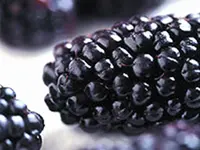
Marionberry is a flavorful, hybrid blackberry cultivar developed by Oregon State
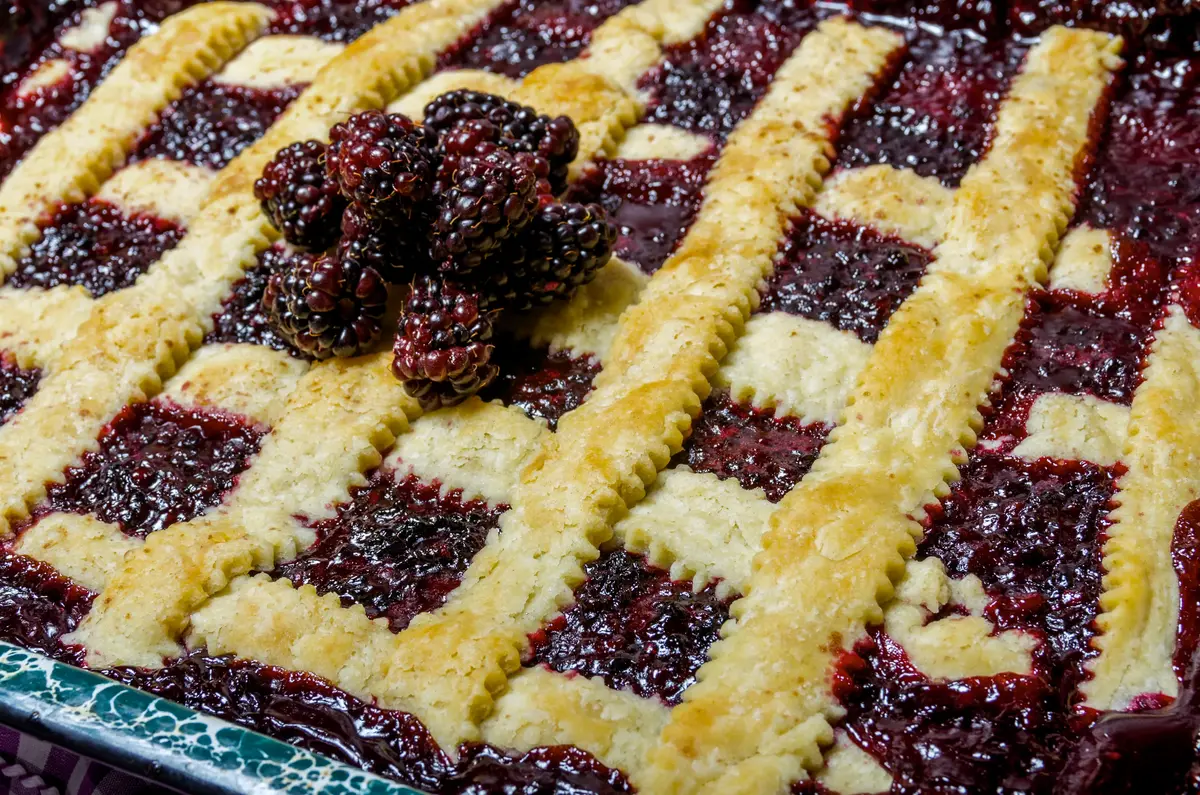
University. They are well known for a rich, sweet-tart flavor that is best used in pies or
jams. The Marionberry is often referred to as the “Queen of Blackberries” and is rated
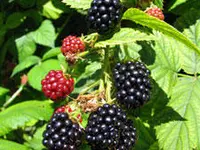
by many as the best berry for making pies. It is a trailing, thorny vine that requires a
support system for optimal growth. Marionberries ripen late spring and summer, with peak
harvest time in July. Requires full sun, well-drained soil, and 1-2 inches of water per
week. Marionberry vines are self-fertile and grow in zones 6-9.
Characteristics
| Bloom Color | White |
| Bloom Time | Early Spring |
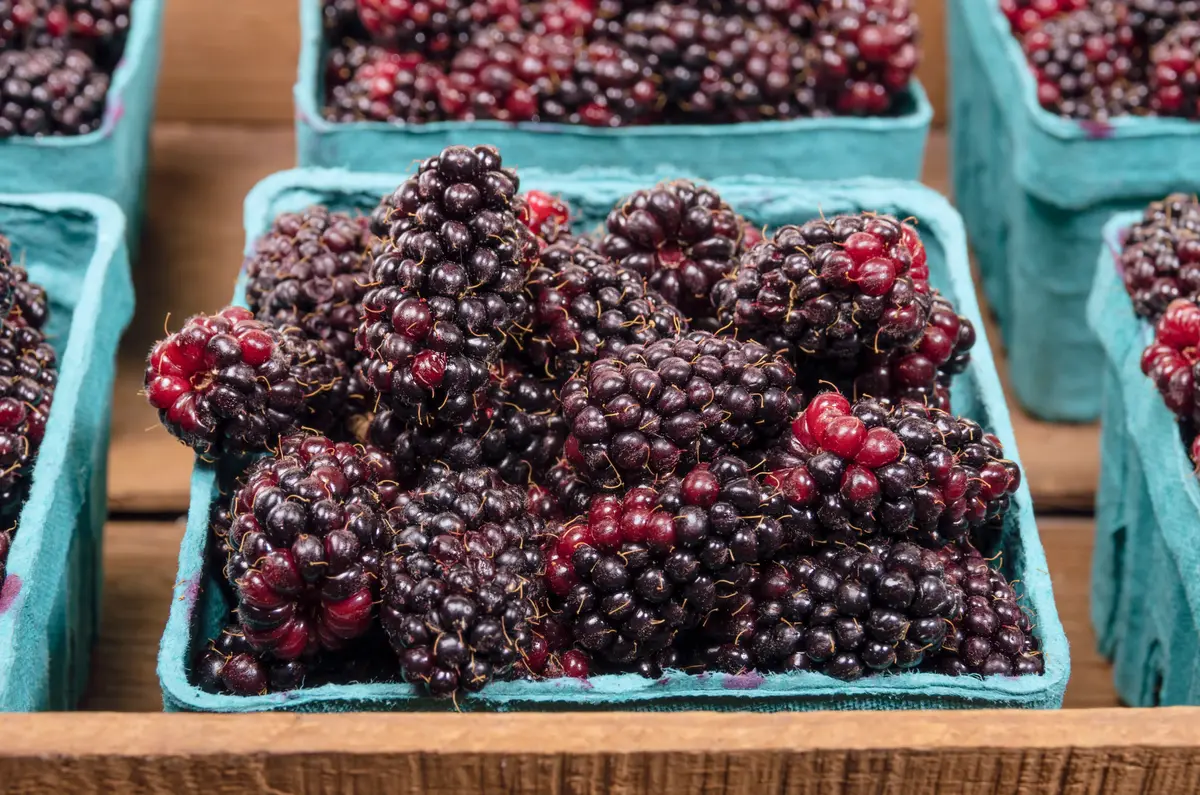
| Fruit Color | Black |
| Fruit Size | Large |
| Hardiness Zone Range | 6 - 9 |
| Pollination | Self Fertile |
| Ripens/Harvest | July |
| Shade/Sun | 6 to 8 hours Full Sun |
| Soil Composition | Loamy, slightly acidic |
| Soil Moisture | Well-drained |
| Soil pH Level | 5.5 to 6.5 |
| Taste | Sweet Tart |
| Texture | Firm |
| Years to Bear | 1-2 |
| Mature Width | 3 Feet |
| Mature Height | 6 Feet on Trellis |
Zones
USDA Hardiness Zones
A hardiness zone is a geographic area defined as having a certain average annual minimum temperature, a factor relevant to the survival of many plants. In some systems other statistics are included in the calculations. The original and most widely used system, developed by the United States Department of Agriculture (USDA) as a rough guide for landscaping and gardening, defines 13 zones by long-term average annual extreme minimum temperatures. It has been adapted by and to other countries (such as Canada) in various forms. A plant may be described as "hardy to zone 10": this means that the plant can withstand a minimum temperature of −1.1 to 4.4 °C (30 to 40 °F).
Grows in zones: 6 - 9
This product grows in your zone!
A hardiness zone is a geographic area defined as having a certain average annual minimum temperature, a factor relevant to the survival of many plants. In some systems other statistics are included in the calculations. The original and most widely used system, developed by the United States Department of Agriculture (USDA) as a rough guide for landscaping and gardening, defines 13 zones by long-term average annual extreme minimum temperatures. It has been adapted by and to other countries (such as Canada) in various forms. A plant may be described as "hardy to zone 10": this means that the plant can withstand a minimum temperature of −1.1 to 4.4 °C (30 to 40 °F).
More Information
When fully ripe, Marionberries have an acidity of about 1.5% and a fruit pH of 3.2. This is roughly the same pH as a sweet strawberry, balancing a high sugar concentration of about 14% with just enough tartness.