
Cherry Seedling
+/-2'
$12.95
Ships: 12/01/2026 - 03/15/2027
Description
This product cannot be shipped to California.
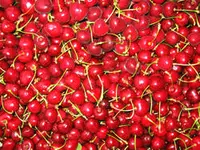
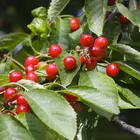
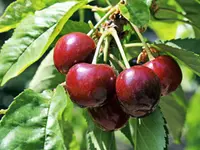
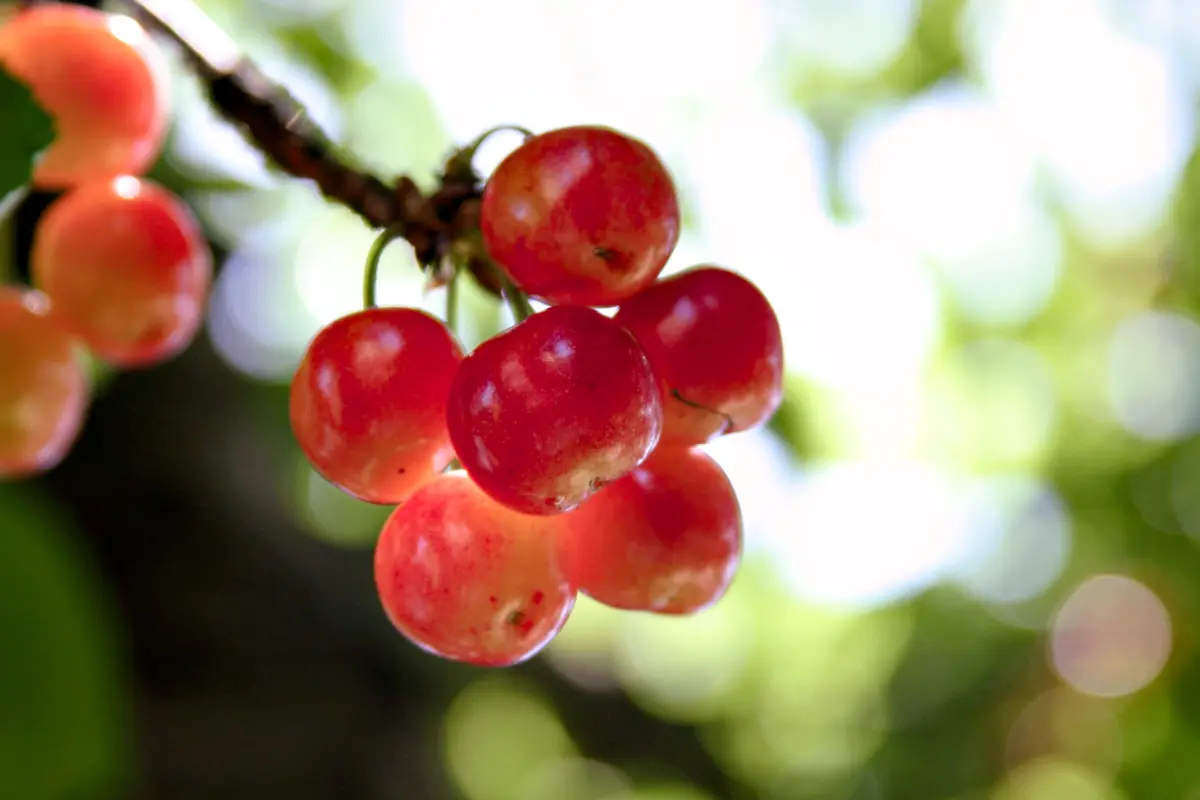
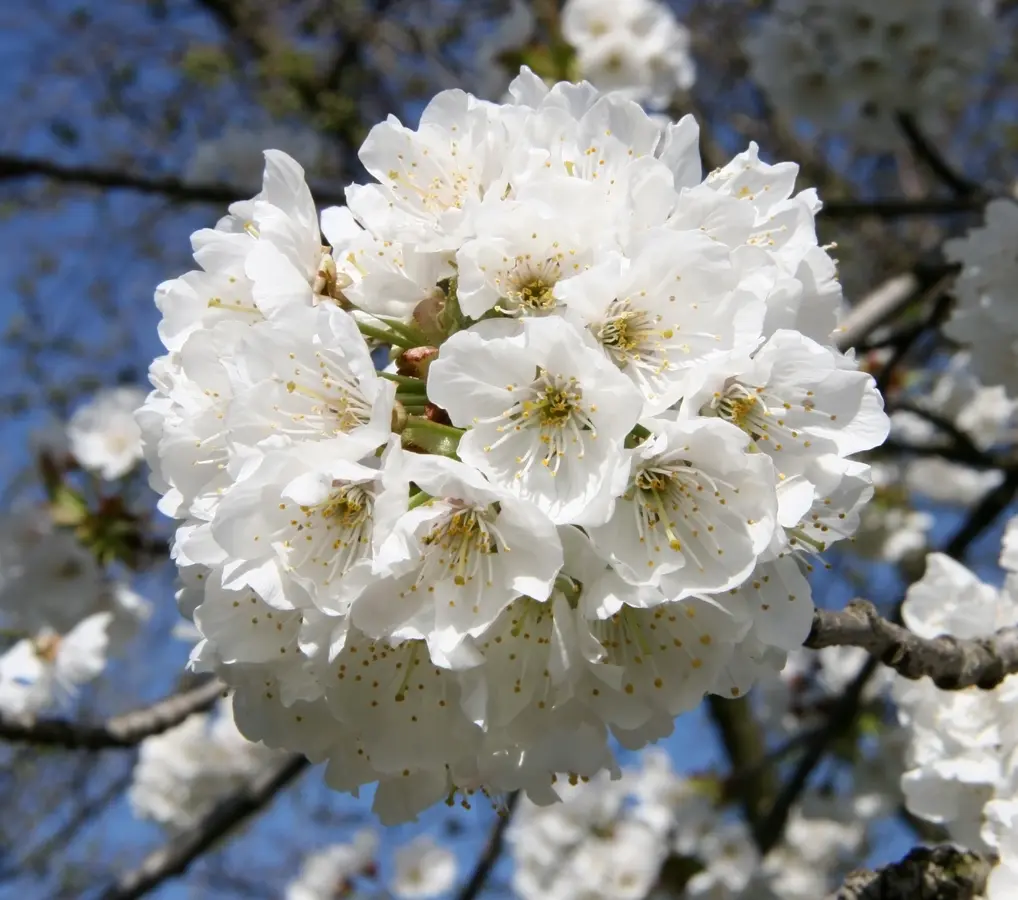
Native to Europe and western Asia, the deciduous Wild Cherry may grow to heights of 80 feet or more when fully grown. It is the species from which most sweet cherry cultivars are derived. The Wild Cherry tree also possesses dense elongated clusters of small white flowers that bloom in the spring. The fruit are 1-2 cm in diameter, variably sweet to somewhat astringent and bitter to eat fresh. Pheasants, quail, and a hundred other birds eat these cherries and scatter their seeds. It prefers well drained soils and full sunlight and is tolerant to wind and salt.
Characteristics
| Bloom Color | White |
| Bloom Time | Early - Mid Spring |
| Fruit Color | Red |
| Fruit Size | 1/2-3/4 inch diameter |
| Hardiness Zone Range | 4 - 8 |
| Ripens/Harvest | July - August |
| Shade/Sun | Full Sun |
| Soil Composition | Sandy Loam |
| Soil Moisture | Well Draining |
| Soil pH Level | 6.0-7.0 |
| Taste | Varies |
| Texture | Firm |
| Years to Bear | 3-7 |
Zones
USDA Hardiness Zones
A hardiness zone is a geographic area defined as having a certain average annual minimum temperature, a factor relevant to the survival of many plants. In some systems other statistics are included in the calculations. The original and most widely used system, developed by the United States Department of Agriculture (USDA) as a rough guide for landscaping and gardening, defines 13 zones by long-term average annual extreme minimum temperatures. It has been adapted by and to other countries (such as Canada) in various forms. A plant may be described as "hardy to zone 10": this means that the plant can withstand a minimum temperature of −1.1 to 4.4 °C (30 to 40 °F).
Grows in zones: 4 - 8
This product grows in your zone!
A hardiness zone is a geographic area defined as having a certain average annual minimum temperature, a factor relevant to the survival of many plants. In some systems other statistics are included in the calculations. The original and most widely used system, developed by the United States Department of Agriculture (USDA) as a rough guide for landscaping and gardening, defines 13 zones by long-term average annual extreme minimum temperatures. It has been adapted by and to other countries (such as Canada) in various forms. A plant may be described as "hardy to zone 10": this means that the plant can withstand a minimum temperature of −1.1 to 4.4 °C (30 to 40 °F).