
Arctic Kiwi Combo
2 Year Old (2 Cordifolia and 1 Prolific)
$109.95
Ships: 10/15/2026 - 06/01/2027
Description
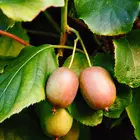
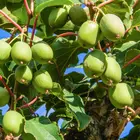
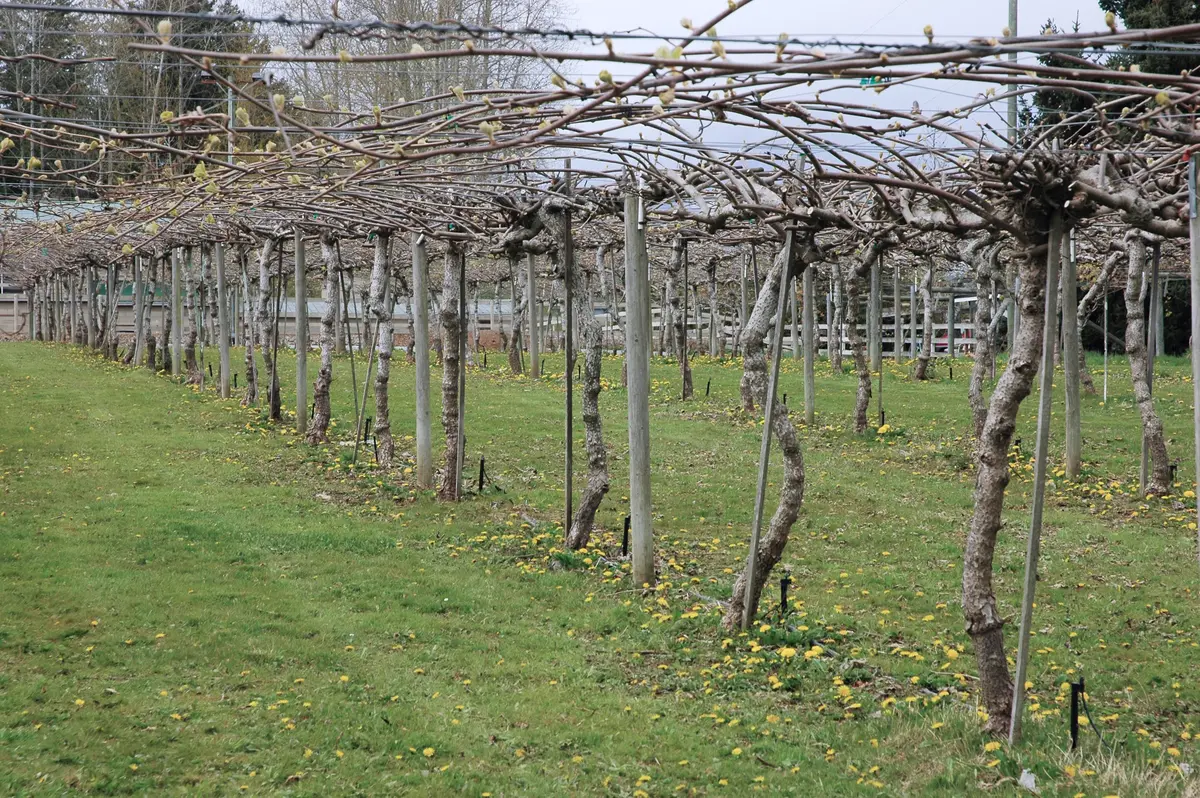
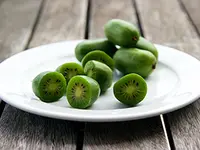
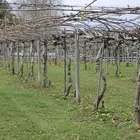
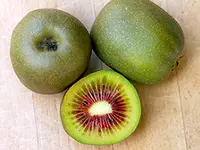
Our home-orchard Arctic Kiwi Combo pack gives gardeners exactly what they need for producing crops of delicious and nutritious Kiwi in their own back yard. With our combo of Kiwi plants for sale you get (2) Cordifolia Female Kiwi and (1) Prolific Self-Fertile Kiwi. This combo insures adequate pollination for a heavy yield of yummy kiwi berries. If you are a Kiwi lover, this combo is highly recommended and costs 10% less than buying them individually. Kiwi vines are easy to grow; you just need a fence, trellis or wires for them to grow on. View our kiwi growing zone map below to ensure these varieties will thrive in your climate.
Characteristics
| Bloom Color | White |
| Bloom Time | May-June |
| Fruit Color | Green |
| Fruit Size | 0.75-1.5 inch diameter |
| Hardiness Zone Range | 4 - 8 |
| Pollination | Pollinator included |
| Ripens/Harvest | August |
| Shade/Sun | Full Sun |
| Soil Composition | Loose with High Organic Content |
| Soil Moisture | Damp but not Waterlogged |
| Soil pH Level | 5.5-7.5 |
| Taste | Sweet & Tangy |
| Texture | Soft & Jelly-like |
| Years to Bear | 3-6 |
Zones
USDA Hardiness Zones
A hardiness zone is a geographic area defined as having a certain average annual minimum temperature, a factor relevant to the survival of many plants. In some systems other statistics are included in the calculations. The original and most widely used system, developed by the United States Department of Agriculture (USDA) as a rough guide for landscaping and gardening, defines 13 zones by long-term average annual extreme minimum temperatures. It has been adapted by and to other countries (such as Canada) in various forms. A plant may be described as "hardy to zone 10": this means that the plant can withstand a minimum temperature of −1.1 to 4.4 °C (30 to 40 °F).
Grows in zones: 4 - 8
This product grows in your zone!
A hardiness zone is a geographic area defined as having a certain average annual minimum temperature, a factor relevant to the survival of many plants. In some systems other statistics are included in the calculations. The original and most widely used system, developed by the United States Department of Agriculture (USDA) as a rough guide for landscaping and gardening, defines 13 zones by long-term average annual extreme minimum temperatures. It has been adapted by and to other countries (such as Canada) in various forms. A plant may be described as "hardy to zone 10": this means that the plant can withstand a minimum temperature of −1.1 to 4.4 °C (30 to 40 °F).