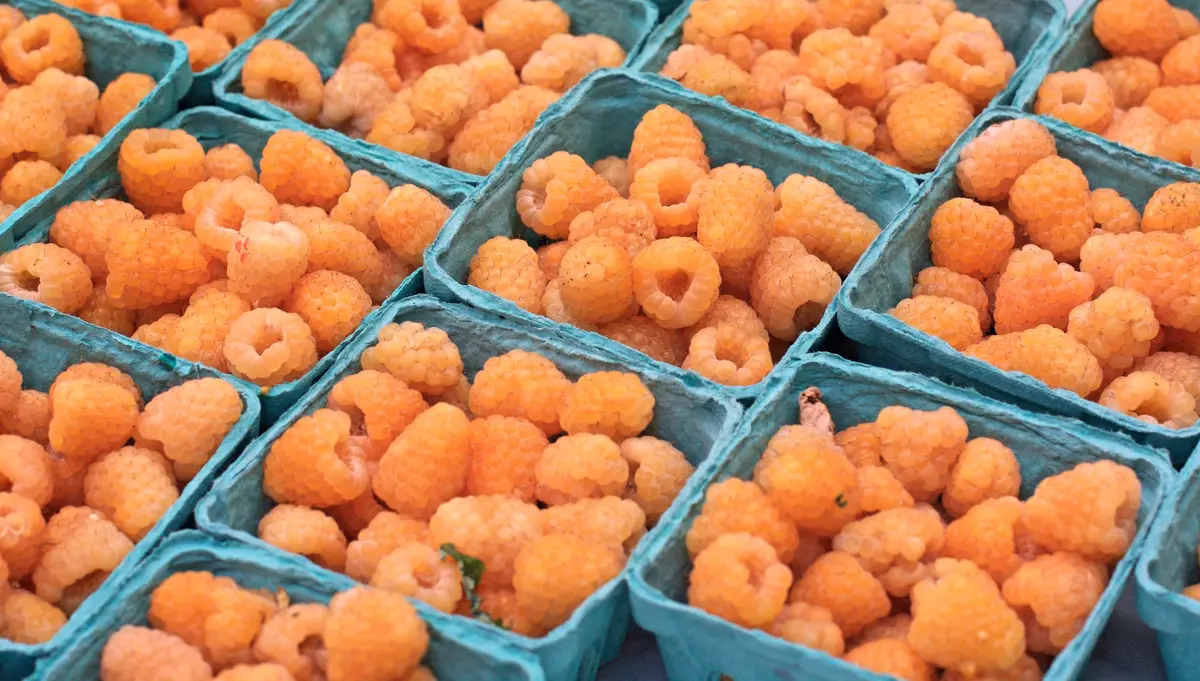
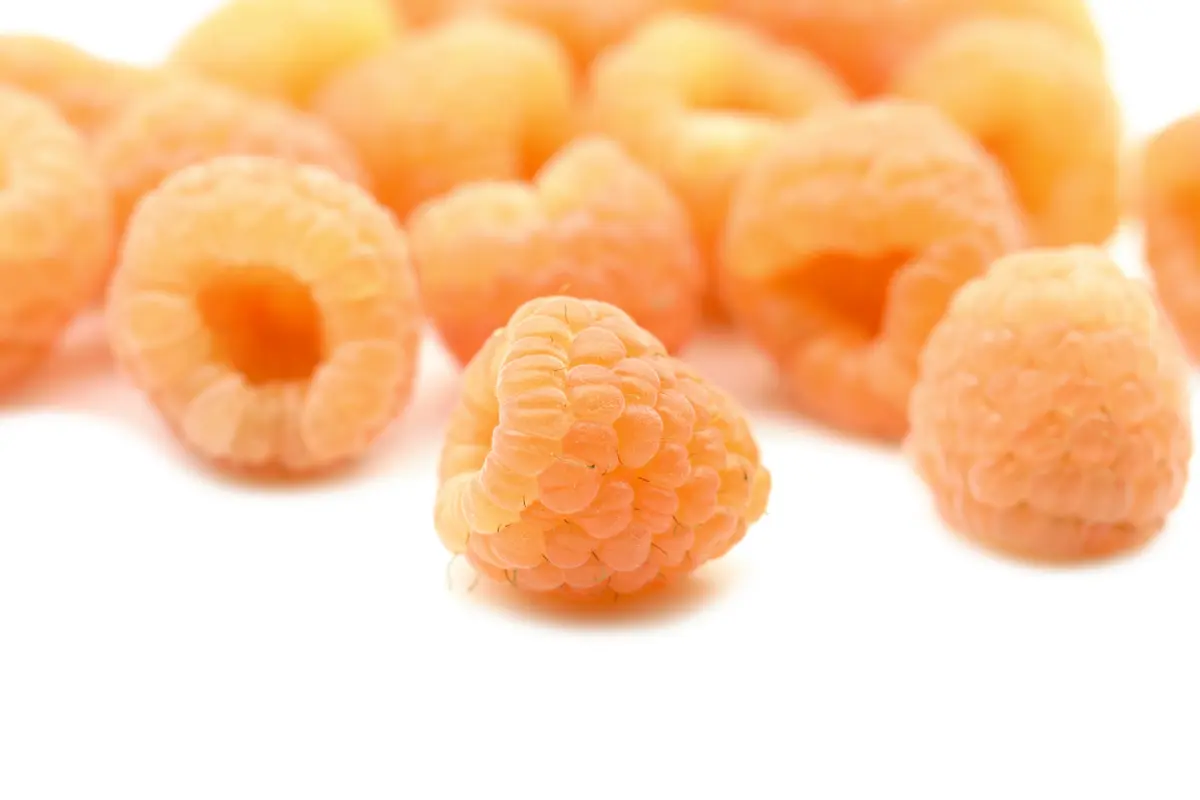


Anne Yellow Raspberry Plant
1 Yr.
$9.95
Ships: 12/01/2026 - 04/01/2027
Description
Anne Yellow Raspberry was developed by the University of Maryland and is widely considered one of the best-tasting yellow raspberries available. This raspberry grows on tall, upright canes that sucker sparsely, meaning they do not spread aggressively. Anne is an everbearing primocane variety that delivers two crops per season, one in July/August on second-year floricanes, and a second crop on first year primocanes from September to frost. Cold hardy and heat tolerant across Zones 4–9, self-pollinating, and bearing in its first year, it’s one of the most rewarding and distinctive raspberry varieties available.
Characteristics
| Bloom Color | White |
| Bloom Time | June and August |
| Fruit Color | Yellow |
| Fruit Size | Large |
| Hardiness Zone Range | 3 - 9 |
| Pollination | Self Fertile |
| Ripens/Harvest | July and September |
| Shade/Sun | Full Sun |
| Soil Composition | Loamy sandy soil |
| Soil Moisture | Well-drained |
| Soil pH Level | 6.0-6.8 |
| Taste | Famously Sweet |
| Texture | Firm |
| Years to Bear | 1-2 Years |
| Mature Width | 3-4 Feet Wide |
| Mature Height | 4-5 Feet Tall |
Zones
USDA Hardiness Zones
A hardiness zone is a geographic area defined as having a certain average annual minimum temperature, a factor relevant to the survival of many plants. In some systems other statistics are included in the calculations. The original and most widely used system, developed by the United States Department of Agriculture (USDA) as a rough guide for landscaping and gardening, defines 13 zones by long-term average annual extreme minimum temperatures. It has been adapted by and to other countries (such as Canada) in various forms. A plant may be described as "hardy to zone 10": this means that the plant can withstand a minimum temperature of −1.1 to 4.4 °C (30 to 40 °F).
Grows in zones: 3 - 9
This product grows in your zone!
A hardiness zone is a geographic area defined as having a certain average annual minimum temperature, a factor relevant to the survival of many plants. In some systems other statistics are included in the calculations. The original and most widely used system, developed by the United States Department of Agriculture (USDA) as a rough guide for landscaping and gardening, defines 13 zones by long-term average annual extreme minimum temperatures. It has been adapted by and to other countries (such as Canada) in various forms. A plant may be described as "hardy to zone 10": this means that the plant can withstand a minimum temperature of −1.1 to 4.4 °C (30 to 40 °F).
More Information
After planting bareroot canes, prune back to about 2 inches above the ground. Pruning is a vital step that encourages the roots to send up strong new growth. Don't skip this step. New growth will emerge from the ground nearby rather than from the original cane. This is a normal raspberry behavior as the root system sends up new shoots.
Note: Do not plant gold, purple, red or yellow raspberries within 75–100 feet of black raspberries, as black raspberries can be more susceptible to viral diseases spread by aphids moving between plants in close proximity.