
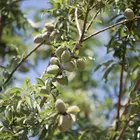


All-In-One Almond Tree
1-2' (Authentic Product)
$16.95
Ships: 12/01/2026 - 03/15/2027
Description
This product cannot be shipped to California.
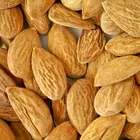
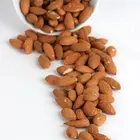
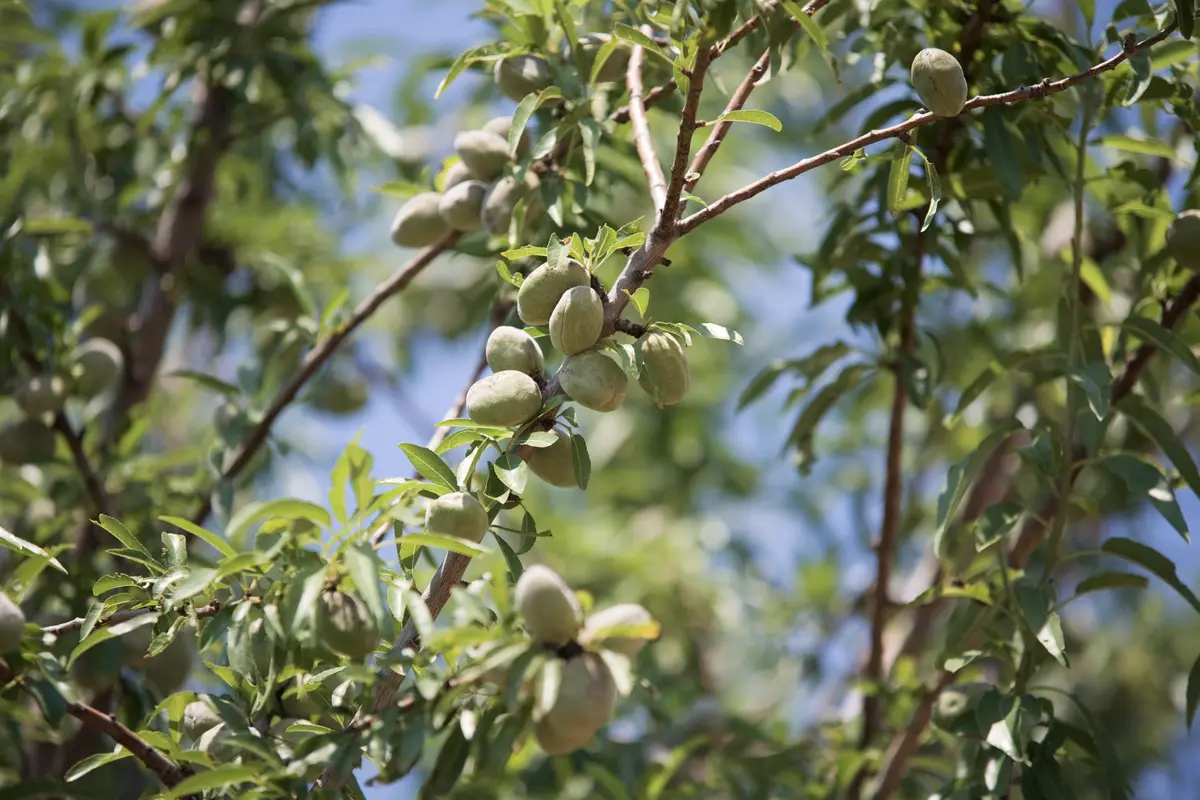
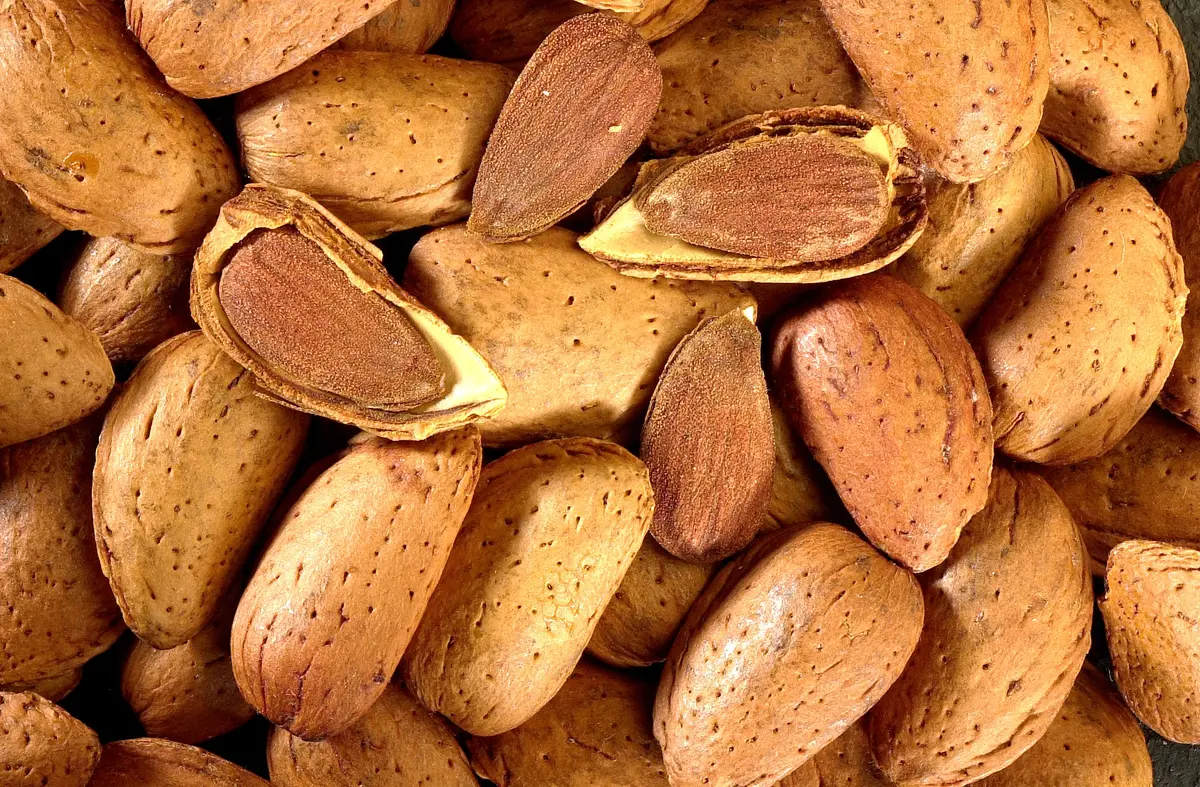
Out of our almond trees for sale browse the All-In-One Almond Tree, this produces medium to large sized soft shelled almonds with sweet, good quality kernels. It produces heavily, which restricts the growth such that some classify the tree as semi-dwarf because it typically grows to only 15 feet. All-In-One Almond trees are self fertile and the nuts ripen in late September to early October. All-In-One Almond trees require approximately 300-400 chilling hours.
Characteristics
| Bloom Color | Whitish-Pink w/Darker Pink Center |
| Bloom Time | Spring |
| Fruit Color | Copper-Bronze/Tan |
| Fruit Size | 0.5 inch diameter |
| Hardiness Zone Range | 7 - 9 |
| Pollination | Self-Fertile |
| Ripens/Harvest | September - October |
| Shade/Sun | Full Sun |
| Soil Composition | Sandy Loam |
| Soil Moisture | Well Draining |
| Soil pH Level | 6.0-7.0 |
| Taste | Mild, Sweet, & Buttery |
| Texture | Crisp |
| Years to Bear | 3-5 |
Pricing
| Size | Price | Ships |
|---|---|---|
|
1-2' (Authentic Product)
|
$16.95 | 12/01/2026 - 03/15/2027 |
|
+/-2' (Authentic Product)
|
$29.95 | 12/01/2026 - 03/15/2027 |
|
3-4' (Authentic Product)
|
$34.95 | 12/01/2026 - 03/15/2027 |
|
4-5' (Authentic Product)
|
$44.95 | 12/01/2026 - 03/15/2027 |
|
5-6' (Branched)
|
$54.95 | 12/01/2026 - 03/15/2027 |
|
+/-5' EZ-PICK (3/4" caliper)
|
$69.95 | 12/01/2026 - 03/15/2027 |
|
+/-5' (1" Caliper Branched - Fruiting Size)
|
$84.95 | 12/01/2026 - 03/15/2027 |
|
+/-6' (1.25"caliper - Instant Orchard!)
|
$104.95 | 12/01/2026 - 03/15/2027 |
Zones
USDA Hardiness Zones
A hardiness zone is a geographic area defined by average annual minimum winter temperatures, helping gardeners determine which plants can survive in their region. Developed by the USDA, the 13 numerical zones indicate cold hardiness—for example, a plant "hardy to zone 10" tolerates minimum temperatures of 30 to 40 °F (−1.1 to 4.4 °C).
Grows in zones: 7 - 9
This product does not grow in your zone!
A hardiness zone is a geographic area defined by average annual minimum winter temperatures, helping gardeners determine which plants can survive in their region. Developed by the USDA, the 13 numerical zones indicate cold hardiness—for example, a plant "hardy to zone 10" tolerates minimum temperatures of 30 to 40 °F (−1.1 to 4.4 °C).