
Ne Plus Almond Tree
1-2' (Authentic Product)
$16.95
Ships: 12/01/2026 - 03/15/2027
Description
This product cannot be shipped to California.
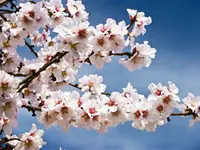
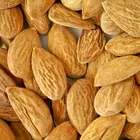
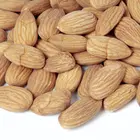
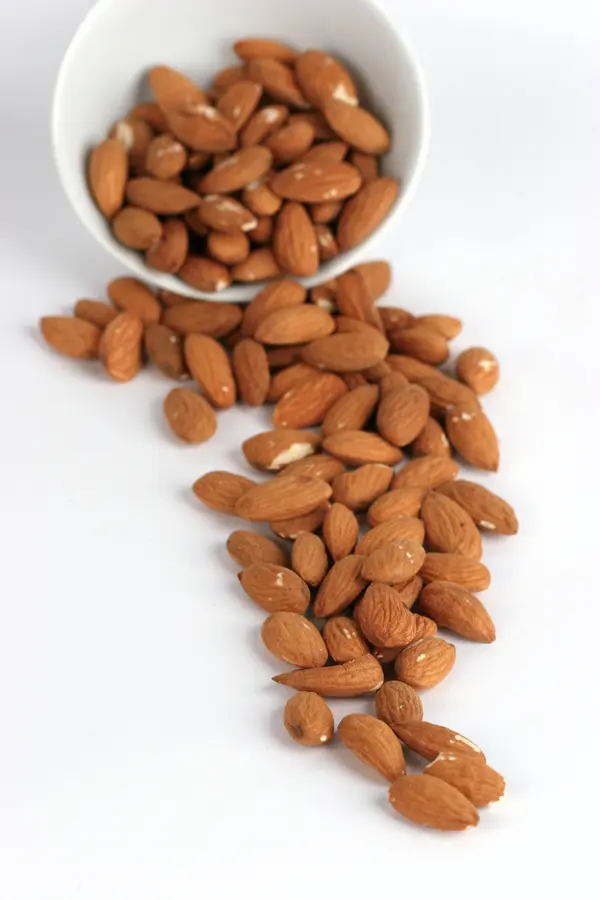
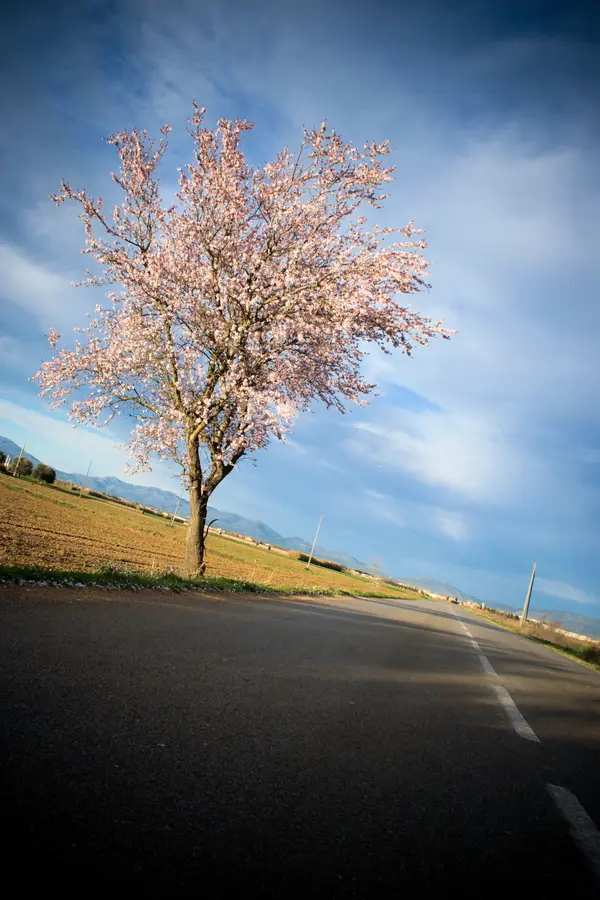
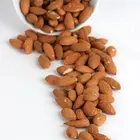
Ne Plus Almonds are large, with a long and narrow shape, that is soft shelled with a sweet kernel. The Ne Plus Almond Tree normally blooms around mid-February, and requires a pollinizer. The best pollinizer for the Ne Plus Almond is the Nonpareil almond. Ne Plus requires 250 chill hours, and will ripen in September.
Characteristics
| Bloom Color | Whitish-Pink w/Darker Pink Center |
| Bloom Time | Late Winter / Spring |
| Fruit Color | Light - Golden Brown |
| Fruit Size | 0.5-0.75 inch diameter |
| Hardiness Zone Range | 7 - 10 |
| Pollination | Requires Pollinator |
| Ripens/Harvest | August - September |
| Shade/Sun | Full Sun |
| Soil Composition | Sandy Loam |
| Soil Moisture | Well Draining |
| Soil pH Level | 6.0-7.0 |
| Taste | Rich & Nutty |
| Texture | Crisp |
| Years to Bear | 3-5 |
Pricing
| Size | Price | Ships |
|---|---|---|
|
1-2' (Authentic Product)
|
$16.95 | 12/01/2026 - 03/15/2027 |
|
+/-2' (Authentic Product)
|
$29.95 | 12/01/2026 - 03/15/2027 |
|
3-4' (Authentic Product)
|
$34.95 | 12/01/2026 - 03/15/2027 |
|
4-5' (Authentic Product)
|
$44.95 | 12/01/2026 - 03/15/2027 |
|
5-6' (Branched)
|
$54.95 | 12/01/2026 - 03/15/2027 |
|
+/-5' EZ-PICK (3/4" caliper)
|
$69.95 | 12/01/2026 - 03/15/2027 |
|
+/-5' (1" Caliper Branched - Fruiting Size)
|
$84.95 | 12/01/2026 - 03/15/2027 |
|
+/-6' (1.25"caliper - Instant Orchard!)
|
$104.95 | 12/01/2026 - 03/15/2027 |
Zones
USDA Hardiness Zones
A hardiness zone is a geographic area defined by average annual minimum winter temperatures, helping gardeners determine which plants can survive in their region. Developed by the USDA, the 13 numerical zones indicate cold hardiness—for example, a plant "hardy to zone 10" tolerates minimum temperatures of 30 to 40 °F (−1.1 to 4.4 °C).
Grows in zones: 7 - 10
This product does not grow in your zone!
A hardiness zone is a geographic area defined by average annual minimum winter temperatures, helping gardeners determine which plants can survive in their region. Developed by the USDA, the 13 numerical zones indicate cold hardiness—for example, a plant "hardy to zone 10" tolerates minimum temperatures of 30 to 40 °F (−1.1 to 4.4 °C).