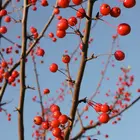
Winterberry Holly
18-24"
$12.95
Ships: 12/15/2025 - 04/01/2026
Description
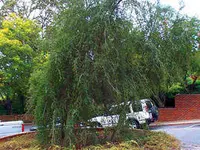
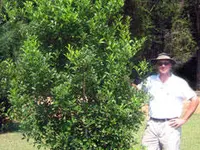
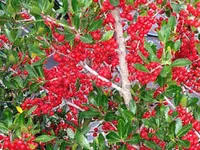
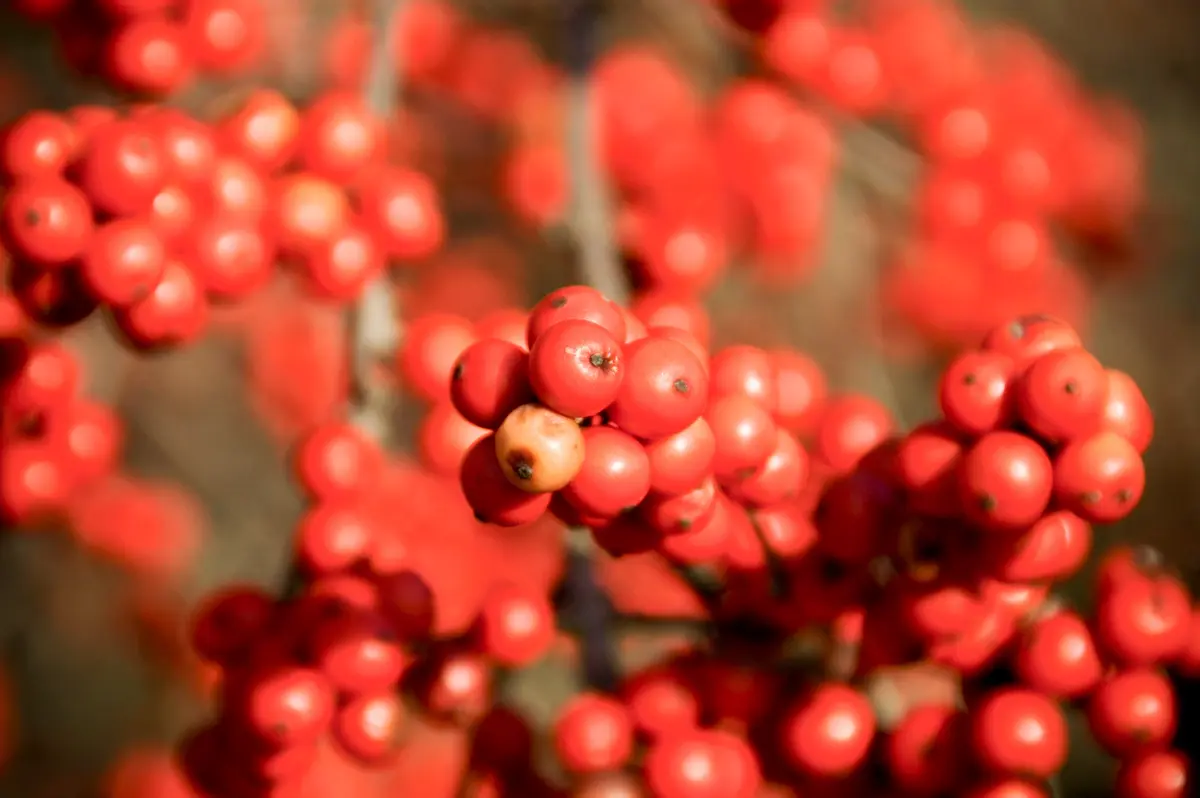
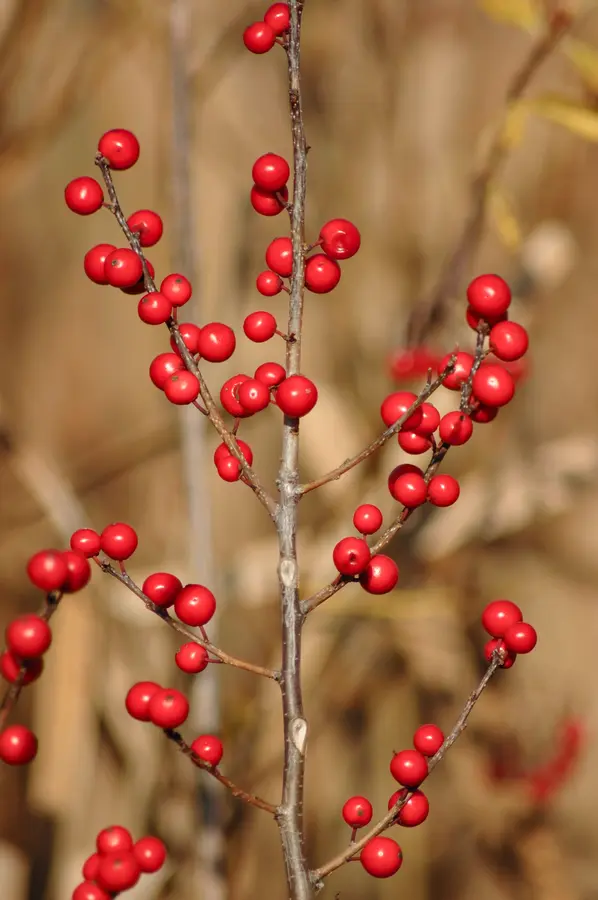
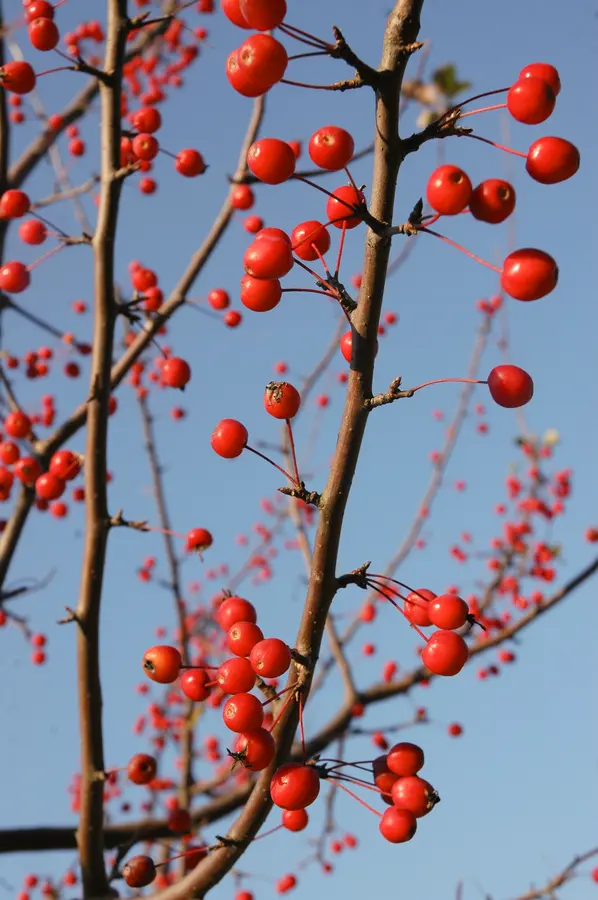
The Winterberry Holly for sale is a native slow to moderate growing deciduous plant grown for its outstanding foliage and brilliant red berry display. Small white flowers form in late spring and grow on different plants but fruit only forms on the female plant. Often found in many native wetlands, the holly grows well in full or partial shade but fruits best in full sun grown in moist, wet acidic soil. Though it is not drought tolerant, the Winterberry bush will withstand winter temperatures down to -27. At full maturity it reaches a height of 6-10 ' with a span of 8-10'. Planted amongst ornamental grasses, the Winterberry bush will certainly attract an array of birds, bees and butterflies. Also provides excellent cover for forest animals such as deer, turkey, & quail. Trust Willis Orchards to provide top-quality holly bushes for sale!
Characteristics
| Hardiness Zone Range | 3 - 9 |
Zones
USDA Hardiness Zones
A hardiness zone is a geographic area defined as having a certain average annual minimum temperature, a factor relevant to the survival of many plants. In some systems other statistics are included in the calculations. The original and most widely used system, developed by the United States Department of Agriculture (USDA) as a rough guide for landscaping and gardening, defines 13 zones by long-term average annual extreme minimum temperatures. It has been adapted by and to other countries (such as Canada) in various forms. A plant may be described as "hardy to zone 10": this means that the plant can withstand a minimum temperature of −1.1 to 4.4 °C (30 to 40 °F).
Grows in zones: 3 - 9
This product grows in your zone!
A hardiness zone is a geographic area defined as having a certain average annual minimum temperature, a factor relevant to the survival of many plants. In some systems other statistics are included in the calculations. The original and most widely used system, developed by the United States Department of Agriculture (USDA) as a rough guide for landscaping and gardening, defines 13 zones by long-term average annual extreme minimum temperatures. It has been adapted by and to other countries (such as Canada) in various forms. A plant may be described as "hardy to zone 10": this means that the plant can withstand a minimum temperature of −1.1 to 4.4 °C (30 to 40 °F).