Titan™ Blueberry Plant
1-2'
$16.95
Ships: 10/15/2026 - 06/01/2027
Description
This product cannot be shipped to California, Washington.
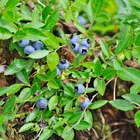
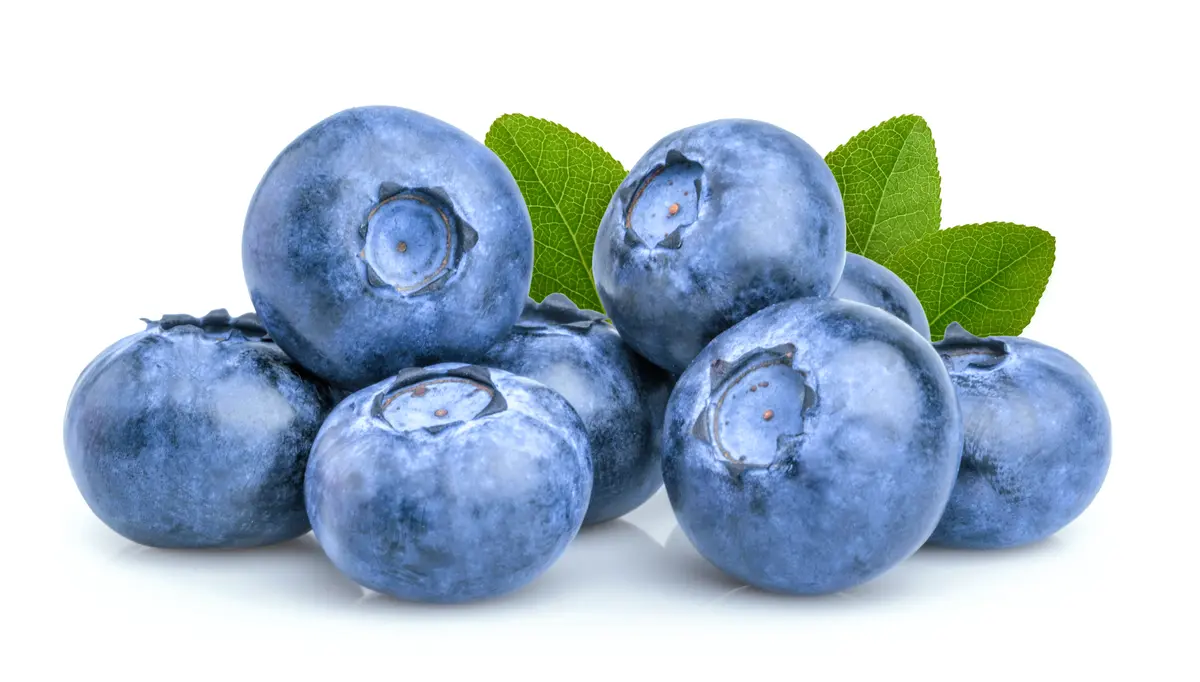
Titan™ Blueberry plant is a new release from the University of Georgia. It produces the largest rabbiteye blueberries to date. Berries that are as big around as quarters and just as tasty as their smaller cousins. The Titan™ fruits are also very firm and perfect for fresh eating. This quality also allows for longer storage time for commercial and u-pick operations. The estimated chill requirement for Titan™ is 500 - 550 hours below 45 degrees. It should be planted with other rabbiteye blueberry plants to encourage good cross pollination for maximum production. (Zones 6b-8)
Characteristics
| Bloom Color | White / Pale Pink |
| Bloom Time | Spring |
| Fall Color | Orange-Red |
| Fruit Color | Blue |
| Fruit Size | Large - Regularly reaching the size of a U.S. quarter. |
| Hardiness Zone Range | 7 - 8 |
| Pollination | Pollination needed with another compatible rabbiteye variety. |
| Ripens/Harvest | Late May to Early July |
| Shade/Sun | Full Sun |
| Soil Composition | Loam, Moist, Acidic, Organic, Well Draining |
| Soil Moisture | Moist, Damp / Not soggy or waterlogged |
| Soil pH Level | 4.5-5.5 |
| Taste | Very Sweet / Slightly Tart |
| Texture | Firm |
| Years to Bear | 2-3 |
| Mature Width | 4-6' |
| Mature Height | 6-10' |
Zones
USDA Hardiness Zones
A hardiness zone is a geographic area defined as having a certain average annual minimum temperature, a factor relevant to the survival of many plants. In some systems other statistics are included in the calculations. The original and most widely used system, developed by the United States Department of Agriculture (USDA) as a rough guide for landscaping and gardening, defines 13 zones by long-term average annual extreme minimum temperatures. It has been adapted by and to other countries (such as Canada) in various forms. A plant may be described as "hardy to zone 10": this means that the plant can withstand a minimum temperature of −1.1 to 4.4 °C (30 to 40 °F).
Grows in zones: 7 - 8
This product does not grow in your zone!
A hardiness zone is a geographic area defined as having a certain average annual minimum temperature, a factor relevant to the survival of many plants. In some systems other statistics are included in the calculations. The original and most widely used system, developed by the United States Department of Agriculture (USDA) as a rough guide for landscaping and gardening, defines 13 zones by long-term average annual extreme minimum temperatures. It has been adapted by and to other countries (such as Canada) in various forms. A plant may be described as "hardy to zone 10": this means that the plant can withstand a minimum temperature of −1.1 to 4.4 °C (30 to 40 °F).