

Southern Blueberry Combo
+/-2' Tall (2 Yr. Fruiting Age)(8 Plants)
$95.95
Ships: 10/15/2026 - 06/01/2027
Description
This product cannot be shipped to California, Washington.
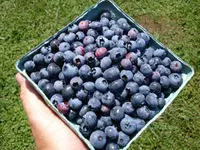
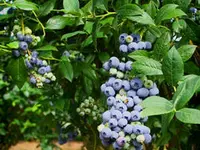
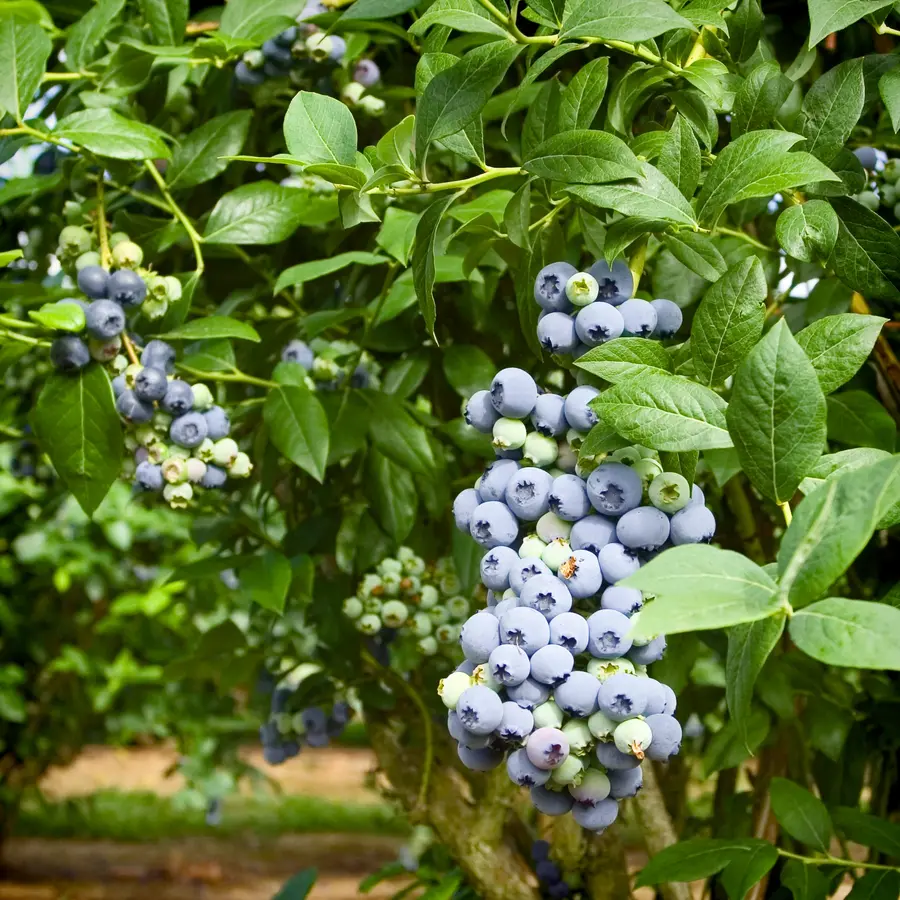
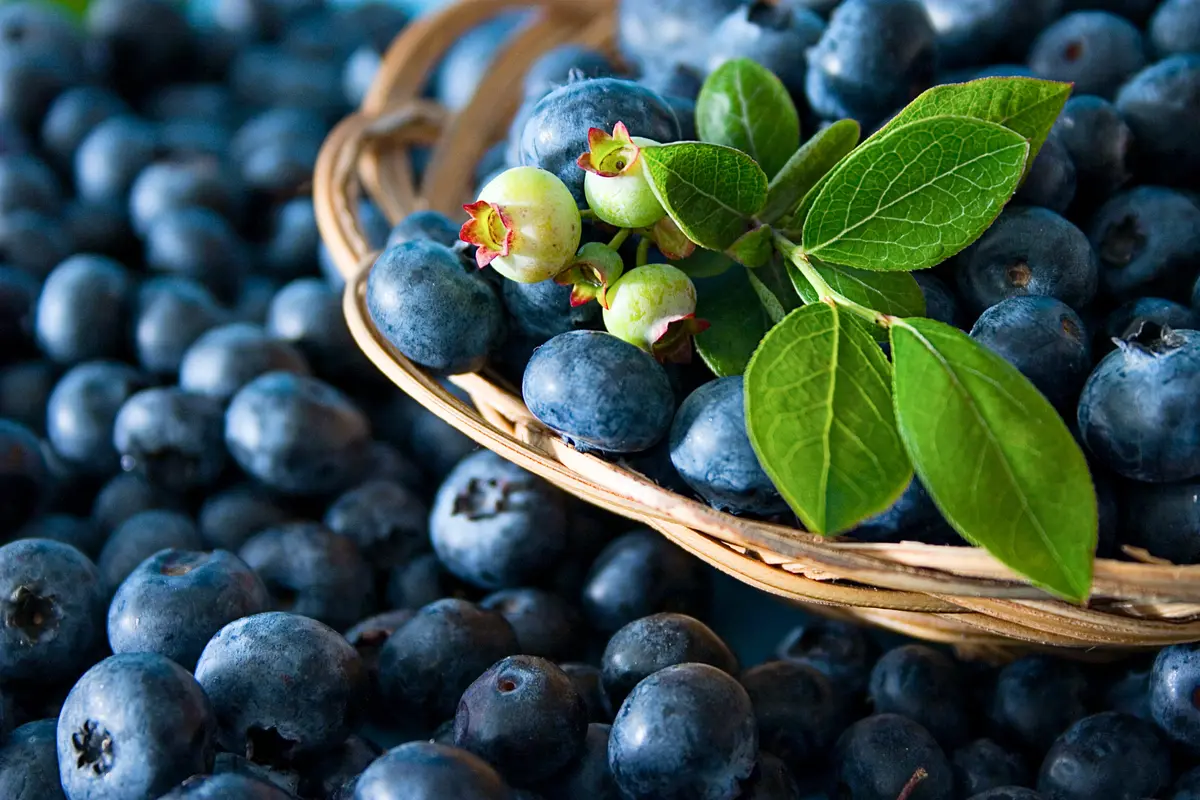
Our Southern Blueberry Combo makes it easy to get the right combination of varieties and it saves you money! You will receive the best plants to produce delicious and nutritious blueberries for the longest production period each year.
Your Southern Blueberry Bundle will include:
2 Austin Blueberry Plants (Early Season)
2 Briteblue Blueberry Plants (Early-Mid Season)
2 Tifblue Blueberry Plants (Mid-Late Season)
2 Delite Blueberry Plants (Late Season)
Characteristics
| Bloom Color | White / Pale Pink |
| Bloom Time | Spring |
| Fall Color | Orange-Red/Burgundy, Bronze |
| Fruit Color | Blue |
| Fruit Size | Small to Large |
| Hardiness Zone Range | 7 - 9 |
| Pollination | Four different varieties are sent in this combo for pollination. |
| Ripens/Harvest | Late May through August |
| Shade/Sun | Full Sun |
| Soil Composition | Loam, Moist, Acidic, Organic, Well Draining |
| Soil Moisture | Consistently moist, damp to the touch, but never waterlogged. |
| Soil pH Level | 4.5-5.5 |
| Taste | Sweet / Tart |
| Texture | Firm |
| Years to Bear | 2-3 |
| Mature Width | 6'-8' |
| Mature Height | 6'-8' |
Zones
USDA Hardiness Zones
A hardiness zone is a geographic area defined as having a certain average annual minimum temperature, a factor relevant to the survival of many plants. In some systems other statistics are included in the calculations. The original and most widely used system, developed by the United States Department of Agriculture (USDA) as a rough guide for landscaping and gardening, defines 13 zones by long-term average annual extreme minimum temperatures. It has been adapted by and to other countries (such as Canada) in various forms. A plant may be described as "hardy to zone 10": this means that the plant can withstand a minimum temperature of −1.1 to 4.4 °C (30 to 40 °F).
Grows in zones: 7 - 9
This product does not grow in your zone!
A hardiness zone is a geographic area defined as having a certain average annual minimum temperature, a factor relevant to the survival of many plants. In some systems other statistics are included in the calculations. The original and most widely used system, developed by the United States Department of Agriculture (USDA) as a rough guide for landscaping and gardening, defines 13 zones by long-term average annual extreme minimum temperatures. It has been adapted by and to other countries (such as Canada) in various forms. A plant may be described as "hardy to zone 10": this means that the plant can withstand a minimum temperature of −1.1 to 4.4 °C (30 to 40 °F).