Roots Palm Saver
Not currently available. Please call us at 1-866-586-6283 for availability information.
Description
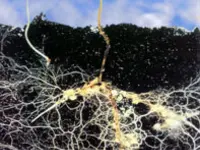
Roots Palm Saver is used in establishing or maintaining palms and tropical plants. This palm tree fertilizer contains a blend of VA endomycorrhizal fungal spores, beneficial rhizosphere bacteria, 6-3-6 biofertilizer, organic amendments and a comprehensive selection of micronutrients. Roots Palm Saver is designed to restore soil fertility and address the mineral requirements common to tropical plants. This premium palm saver fertilizer supports strong root development and long-term plant health.
Key product benefits of Roots Palm Saver:
- This plant care product is a sustainable supply of nitrogen, phosphorus, and other basic minerals necessary for continuing active plant development.
- Increases absorption and transfer of water and mineral nutrients from the soil.
- Helps plants mitigate adverse environmental conditions, such as drought, soil salinity, and extremes of soil pH.
Characteristics
| Hardiness Zone Range | 3 - 10 |
Zones
Shaded areas show where this product grows.
USDA Hardiness Zones
A hardiness zone is a geographic area defined by average annual minimum winter temperatures, helping gardeners determine which plants can survive in their region. Developed by the USDA, the 13 numerical zones indicate cold hardiness—for example, a plant "hardy to zone 10" tolerates minimum temperatures of 30 to 40 °F (−1.1 to 4.4 °C).
Grows in zones: 3 - 10
A hardiness zone is a geographic area defined by average annual minimum winter temperatures, helping gardeners determine which plants can survive in their region. Developed by the USDA, the 13 numerical zones indicate cold hardiness—for example, a plant "hardy to zone 10" tolerates minimum temperatures of 30 to 40 °F (−1.1 to 4.4 °C).