
Plumcot Hybrid Plum Tree
2-3' (Authentic Product)
$18.95
Ships: 12/01/2026 - 03/15/2027
Description
This product cannot be shipped to California.
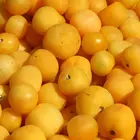
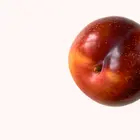
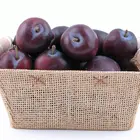
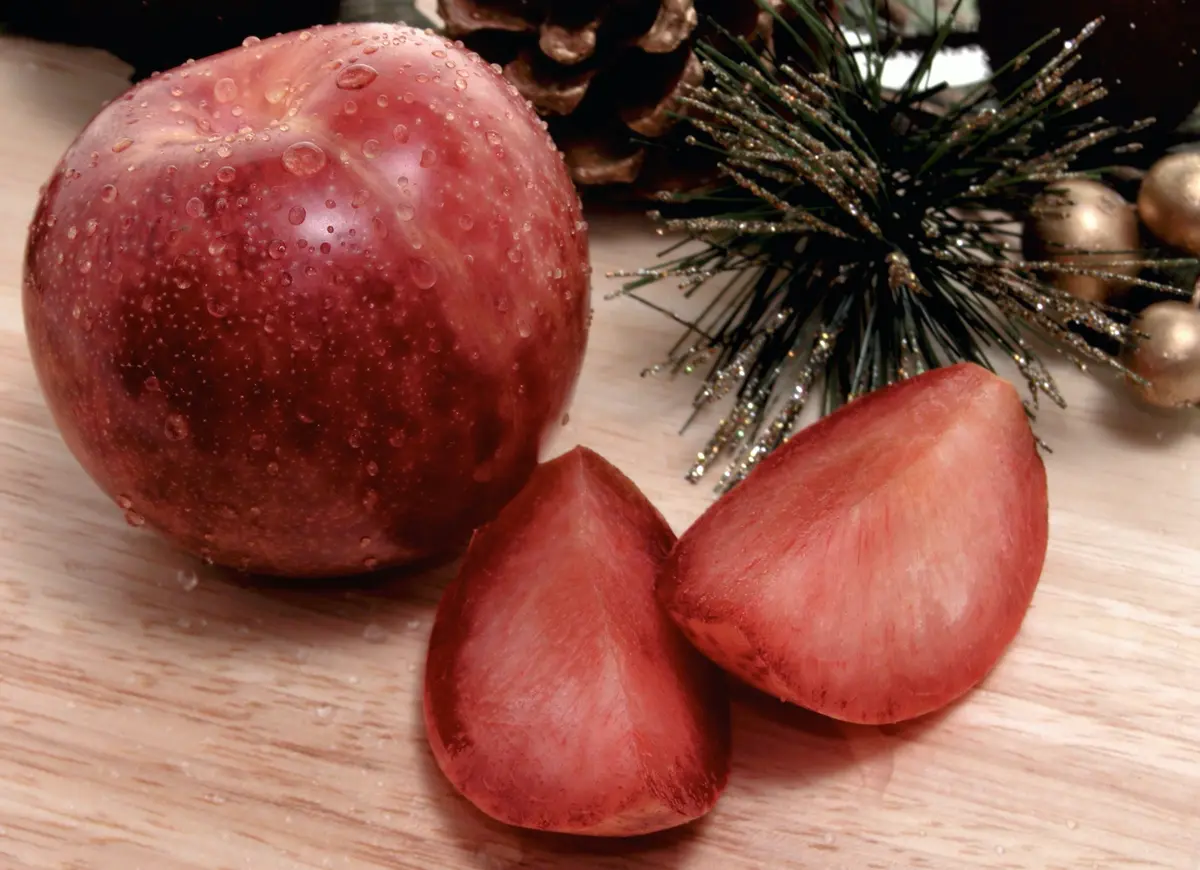
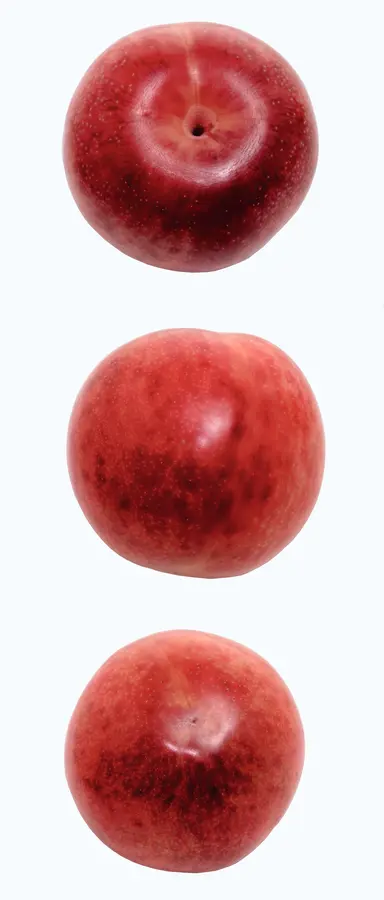
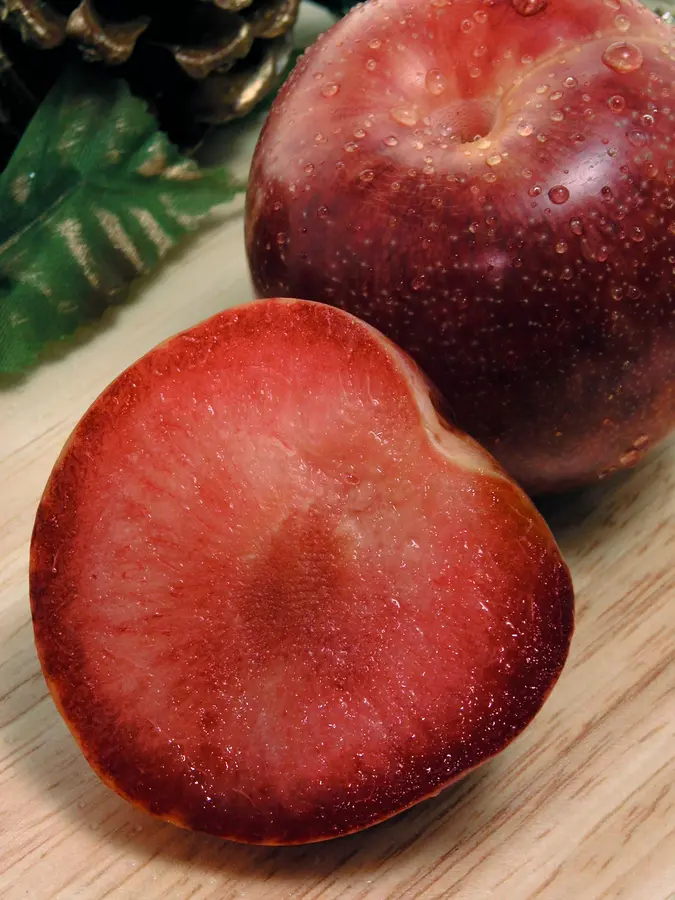
The Plumcot is a hybrid cross of an apricot and a plum. The characteristics of this hybrid fruit tree are 50% plum and 50% apricot. The Plumcot tree yields large sized fruit with yellow blushed, melon red skin. The Plumcot has a juicy, plum-like flesh with a unique aromatic touch of apricot flavor. Plumcots ripen in early June, and require 300 chill hours. Pollinate with Burgundy or Santa Rosa Plum.
Characteristics
| Bloom Color | White-light pink |
| Bloom Time | Spring |
| Fruit Color | Red-Yellow Blush |
| Fruit Size | Large |
| Hardiness Zone Range | 5 - 9 |
| Pollination | Needs Pollinator. (Burgundy or Santa Rosa) |
| Ripens/Harvest | Summer |
| Shade/Sun | Full Sun |
| Soil Composition | Sandy, loamy, and well-draining |
| Soil Moisture | Water weekly |
| Soil pH Level | 6.0-7.0 |
| Taste | Sweet |
| Texture | Firm |
| Years to Bear | 2-3 years |
Pricing
| Size | Price | Ships |
|---|---|---|
|
2-3' (Authentic Product)
|
$18.95 | 12/01/2026 - 03/15/2027 |
|
3-4' (Authentic Product)
|
$24.95 | 12/01/2026 - 03/15/2027 |
|
4-5' (Authentic Product)
|
$34.95 | 12/01/2026 - 03/15/2027 |
|
5-6' (Authentic Product)
|
$44.95 | 01/15/2027 - 03/15/2027 |
|
6-7' (Authentic Product)(Branched)
|
$59.95 | 01/15/2027 - 03/15/2027 |
|
6-7' (1" caliper - Fruiting Size)(Authentic Product)
|
$79.95 | 01/15/2027 - 03/15/2027 |
|
6-7' (1.25" cal. Fruiting Size - Instant Orchard!)
|
$94.95 | 01/15/2027 - 03/15/2027 |
Willis Orchard Company offers the Spring Satin variety up to 5-6' tall. Dapple Dandy, Flavorella, and Flavor Queen varieties are available in 6-7', 6-7' (1" caliper), and 7-8' (1.25" caliper) sizes. Please leave a note at checkout if you have a preference and we will be happy to accommodate the request!
Zones
USDA Hardiness Zones
A hardiness zone is a geographic area defined as having a certain average annual minimum temperature, a factor relevant to the survival of many plants. In some systems other statistics are included in the calculations. The original and most widely used system, developed by the United States Department of Agriculture (USDA) as a rough guide for landscaping and gardening, defines 13 zones by long-term average annual extreme minimum temperatures. It has been adapted by and to other countries (such as Canada) in various forms. A plant may be described as "hardy to zone 10": this means that the plant can withstand a minimum temperature of −1.1 to 4.4 °C (30 to 40 °F).
Grows in zones: 5 - 9
This product grows in your zone!
A hardiness zone is a geographic area defined as having a certain average annual minimum temperature, a factor relevant to the survival of many plants. In some systems other statistics are included in the calculations. The original and most widely used system, developed by the United States Department of Agriculture (USDA) as a rough guide for landscaping and gardening, defines 13 zones by long-term average annual extreme minimum temperatures. It has been adapted by and to other countries (such as Canada) in various forms. A plant may be described as "hardy to zone 10": this means that the plant can withstand a minimum temperature of −1.1 to 4.4 °C (30 to 40 °F).