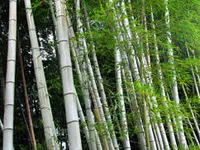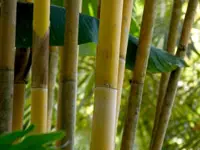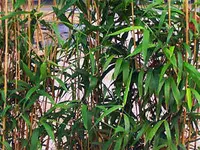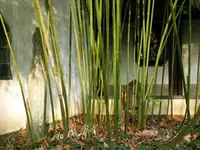
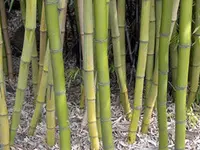
Moso Bamboo Plant
10" root clump (4-6' Tall)
$89.95
Ships: 10/15/2026 - 06/01/2027
Description
This product cannot be shipped to California.
The Moso Bamboo plant originated from China, and other far eastern countries. Generally, Moso is a moderate grower for the first few years, while establishing its root mass, then it will rapidly begin to grow in all directions and reach up to 60 feet tall! The diameter of the bamboo is equally impressive, able to expand to 5-7 inches. Moso is normally used as a production bamboo, being used for its excellent wood, but it also makes a beautiful landscape plant. The Chinese Moso bamboo plant is considered, by Willis Orchard Company, to be one of the most hardy and easy to grow bamboo for the home gardener from Miami to New York City to Los Angeles. Buy bamboo plants from Willis Orchards!
Characteristics
| Hardiness Zone Range | 6 - 10 |
| Shade/Sun | Full Sun |
| Soil Composition | Fertile Loam |
| Soil Moisture | Balanced |
| Soil pH Level | 5.5-6.5 |
| Mature Height | 50-75 feet |
Pricing
| Size | Price | Ships |
|---|---|---|
|
10" root clump (4-6' Tall)
|
$89.95 | 10/15/2026 - 06/01/2027 |
Zones
USDA Hardiness Zones
A hardiness zone is a geographic area defined by average annual minimum winter temperatures, helping gardeners determine which plants can survive in their region. Developed by the USDA, the 13 numerical zones indicate cold hardiness—for example, a plant "hardy to zone 10" tolerates minimum temperatures of 30 to 40 °F (−1.1 to 4.4 °C).
Grows in zones: 6 - 10
This product grows in your zone!
A hardiness zone is a geographic area defined by average annual minimum winter temperatures, helping gardeners determine which plants can survive in their region. Developed by the USDA, the 13 numerical zones indicate cold hardiness—for example, a plant "hardy to zone 10" tolerates minimum temperatures of 30 to 40 °F (−1.1 to 4.4 °C).