Japanese White Birch
3/4"caliper specimen (6-8')
$79.95
Ships: 12/01/2026 - 03/15/2027
Description
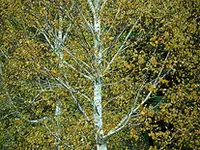
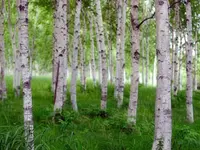
The Japanese White Birch Tree stands out dramatically in the landscape due to its contrasting magnificent white colored bark. You can buy white birch trees to create an ideal focal point in any garden. It has a beautiful pyramidal habit with thin spreading branches and is a moderate grower up to 40-50 feet. It prefers sun to partial shade and moist, well drained soil. The farther south you go, the more shade and mulch it prefers. The Japanese White Birch offers a fantastic display of yellow-gold colored leaves in the fall, and is truly a great tree for naturalizing or landscaping in any yard from zones 3-7. Bring beauty and contrast to your landscape with Japanese White Birch Trees for sale. This simple, yet stunning tree from the Birch Tree family makes a beautiful addition to any yard.
Characteristics
| Hardiness Zone Range | 3 - 7 |
Pricing
| Size | Price | Ships |
|---|---|---|
|
3/4"caliper specimen (6-8')
|
$79.95 | 12/01/2026 - 03/15/2027 |
Zones
USDA Hardiness Zones
A hardiness zone is a geographic area defined by average annual minimum winter temperatures, helping gardeners determine which plants can survive in their region. Developed by the USDA, the 13 numerical zones indicate cold hardiness—for example, a plant "hardy to zone 10" tolerates minimum temperatures of 30 to 40 °F (−1.1 to 4.4 °C).
Grows in zones: 3 - 7
This product grows in your zone!
A hardiness zone is a geographic area defined by average annual minimum winter temperatures, helping gardeners determine which plants can survive in their region. Developed by the USDA, the 13 numerical zones indicate cold hardiness—for example, a plant "hardy to zone 10" tolerates minimum temperatures of 30 to 40 °F (−1.1 to 4.4 °C).