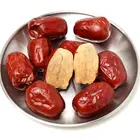
GA 866 Jujube Tree
6-7' (Grafted)(Fruiting Size)
$119.95
Ships: 01/15/2027 - 04/15/2027
Description
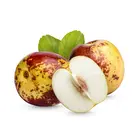
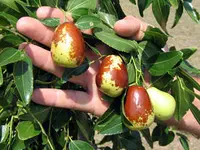
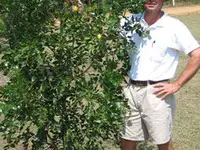
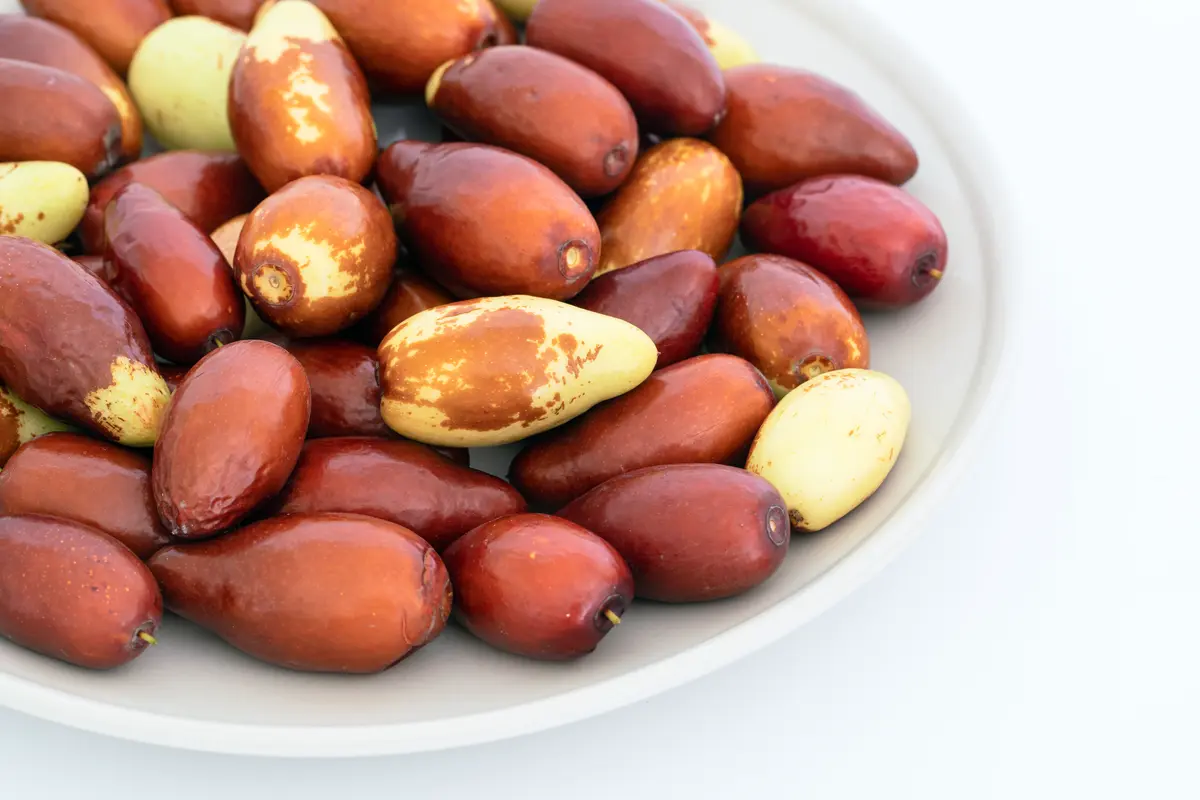
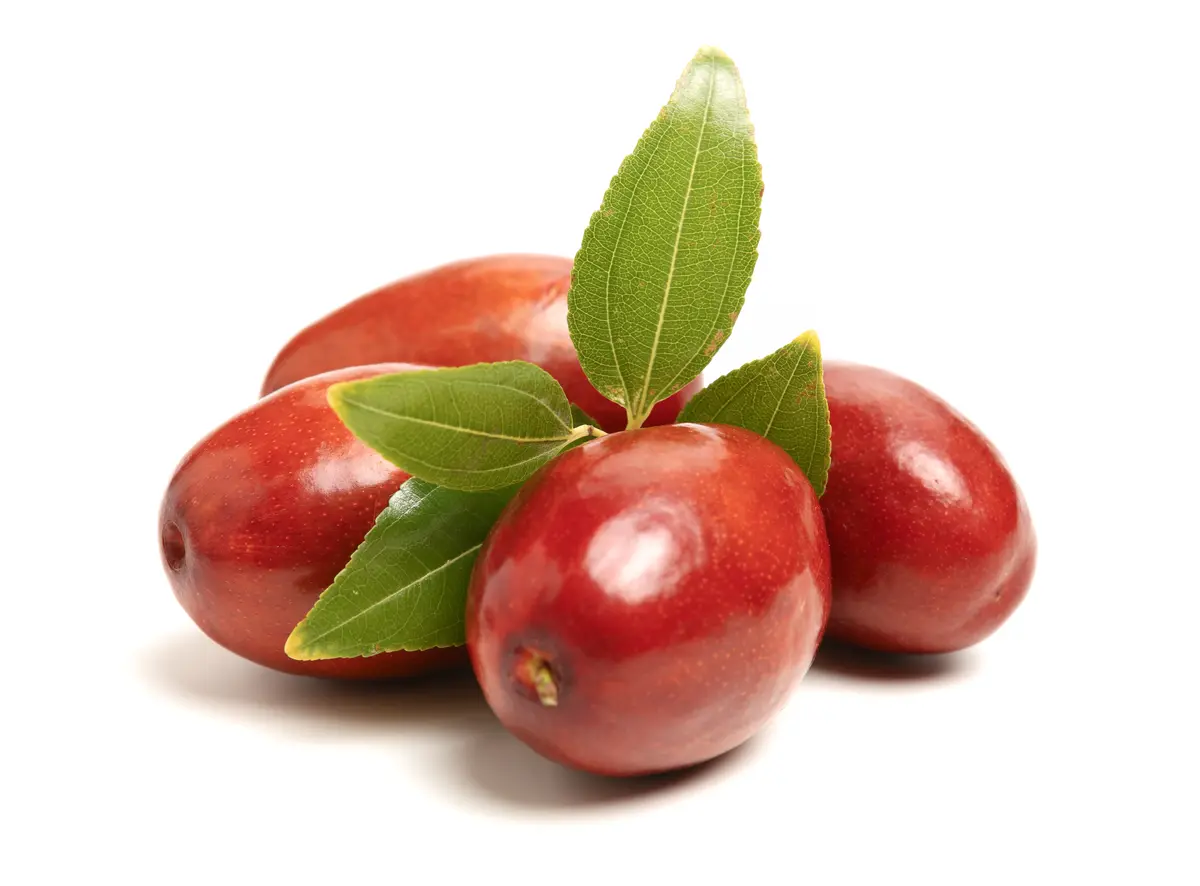
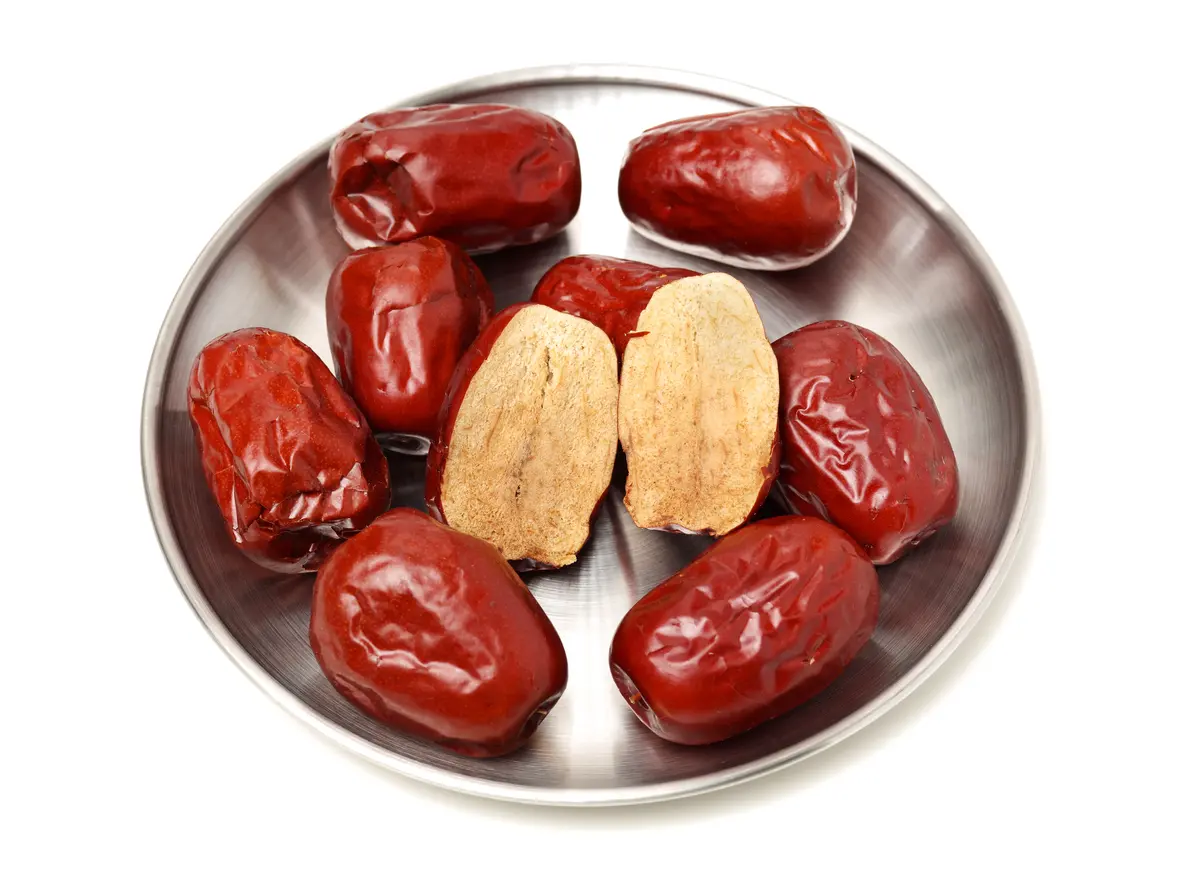
The GA 866 Jujube Tree is a fairly new variety of outstanding quality. The jujube tree's fruit is large, elongated, and very high in sugar content. GA 866 Jujube's sweet apple flavor is great when eaten fresh from the tree. The GA 866 Jujube's fruit is also great when candied or dried. Like the other jujube varieties, it has attractive, shiny leaves and is very drought-tolerant. The GA 866 Jujube Tree ripens in the Fall, almost the same time as the Lang Jujube. The GA 866 Jujube is hardy to -10° F, but only requires 150 chill hours. Zones 5-10. Buy Jujube Trees for large, sweet fruit you can enjoy fresh, candied, or dried. These sweet Jujube fruit trees can be a great choice for home growers. Add a reliable, drought-tolerant tree to your yard with our GA 866 Jujube trees for sale. A pollinator is recommended for GA866 Jujube trees.
Characteristics
| Bloom Color | White-to-Yellow |
| Bloom Time | Late Spring - Mid Summer |
| Fruit Color | Pale Green to Mahogany |
| Fruit Size | 1.5-2 inch diameter |
| Hardiness Zone Range | 5 - 10 |
| Pollination | Partially Self-fertile. Recommend a Pollinator. |
| Ripens/Harvest | September - October |
| Shade/Sun | Full Sun |
| Soil Composition | Sandy Loam |
| Soil Moisture | Well Draining |
| Soil pH Level | 4.5-8.4 |
| Taste | Sweet |
| Texture | Crisp |
| Years to Bear | 1-5 |
Pricing
| Size | Price | Ships |
|---|---|---|
|
6-7' (Grafted)(Fruiting Size)
|
$119.95 | 01/15/2027 - 04/15/2027 |
Zones
Shaded areas show where this product grows.
USDA Hardiness Zones
A hardiness zone is a geographic area defined by average annual minimum winter temperatures, helping gardeners determine which plants can survive in their region. Developed by the USDA, the 13 numerical zones indicate cold hardiness—for example, a plant "hardy to zone 10" tolerates minimum temperatures of 30 to 40 °F (−1.1 to 4.4 °C).
Grows in zones: 5 - 10
A hardiness zone is a geographic area defined by average annual minimum winter temperatures, helping gardeners determine which plants can survive in their region. Developed by the USDA, the 13 numerical zones indicate cold hardiness—for example, a plant "hardy to zone 10" tolerates minimum temperatures of 30 to 40 °F (−1.1 to 4.4 °C).