
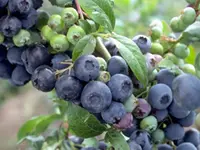
Bluecrop Northern Highbush Blueberry Plant
+/-2' Tall (2 Yr. - Fruiting Age)
$14.95
Ships: 10/15/2026 - 06/01/2027
This product is also part of these bundles:
Description
This product cannot be shipped to California, Washington.
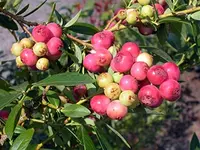
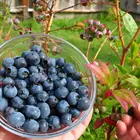
The Bluecrop Northern Highbush Blueberry Plant is a widely grown, mid-season variety that is considered to possibly be the best all around northern highbush blueberry for both commercial and home-orchard applications. The Bluecrop Blueberry receives high marks for adaptability, consistent production, top quality fruit, and disease resistance. The Bluecrop Northern Highbush Blueberry Plant produces large, sweet berries on 4-6 foot tall upright growing bushes. The Bluecrop Blueberry Plant is a fantastic selection for growing in Zones 4-8A. (Semi Self-Fertile. Cross-Pollinate with other N. Highbush varieties for greater yields.)
Characteristics
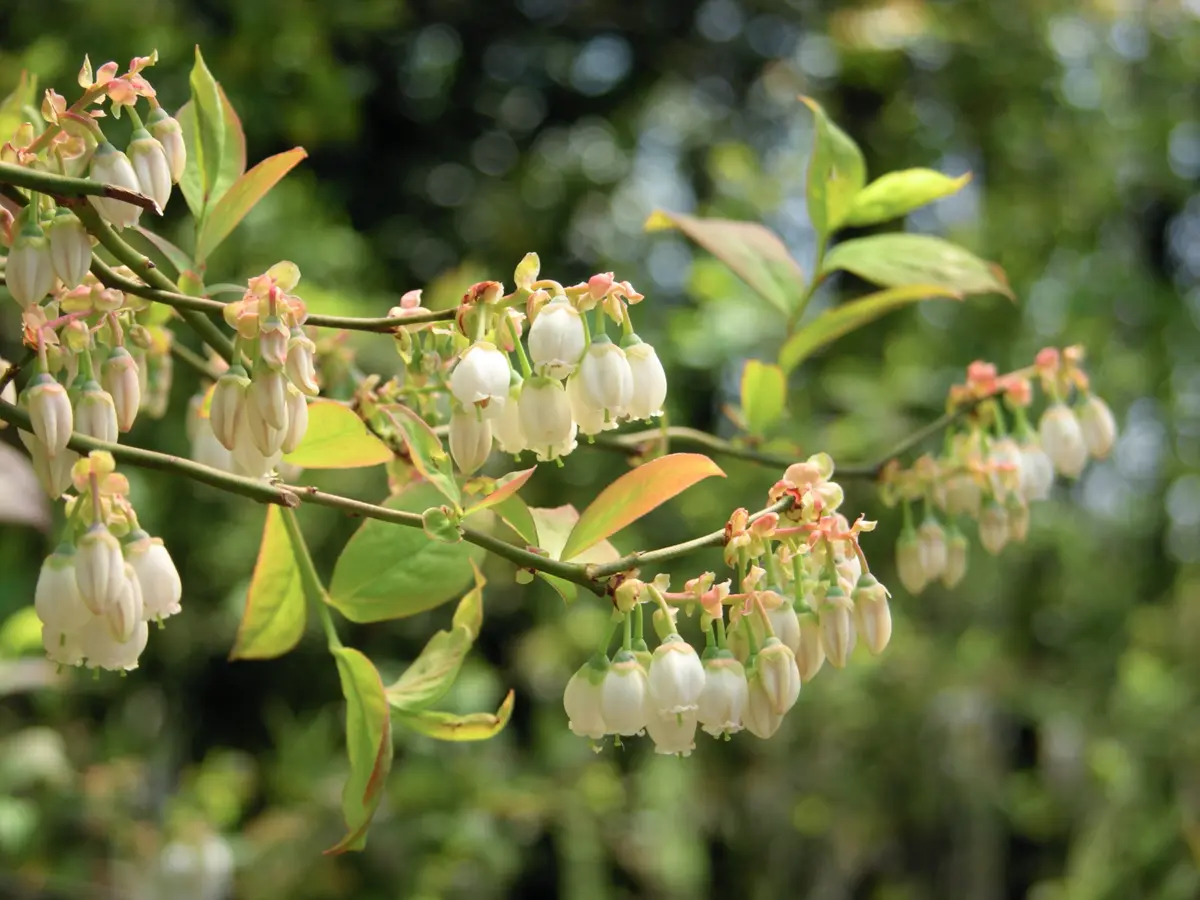
| Bloom Color | White / Pale Pink |
| Bloom Time | Mid-Spring |
| Fall Color | Orange-Red/Burgundy |
| Fruit Color | Blue |
| Fruit Size | Medium to Large |
| Hardiness Zone Range | 4 - 8 |
| Pollination | Semi Self-Fertile |
| Ripens/Harvest | Summer / Late June to August |
| Shade/Sun | Full Sun |
| Soil Composition | Loam, Moist, Acidic, Organic, Well Draining |
| Soil Moisture | Moist, Damp / Not soggy or waterlogged |
| Soil pH Level | 4.5-5.5 |
| Taste | Sweet / Tart |
| Texture | Firm |
| Years to Bear | 2-3 |
| Mature Width | 3-5' |
| Mature Height | 4-6' |
Pricing
| Size | Price | Ships |
|---|---|---|
|
+/-2' Tall (2 Yr. - Fruiting Age)
|
$14.95 | 10/15/2026 - 06/01/2027 |
|
10 Plants (+/-2' Tall)(2 Yr. - Fruiting Age)
|
$119.95 | 10/15/2026 - 06/01/2027 |
|
3-4' Tall (3 Yr. - Fruiting Size)
|
$34.95 | 10/15/2026 - 06/01/2027 |
|
10 Plants (3-4' Tall)(3 Yr. - Fruiting Size)
|
$289.95 | 10/15/2026 - 06/01/2027 |
Note: Potted Plants are Also Available, by Freight Only.
Zones
Shaded areas show where this product grows.
USDA Hardiness Zones
A hardiness zone is a geographic area defined by average annual minimum winter temperatures, helping gardeners determine which plants can survive in their region. Developed by the USDA, the 13 numerical zones indicate cold hardiness—for example, a plant "hardy to zone 10" tolerates minimum temperatures of 30 to 40 °F (−1.1 to 4.4 °C).
Grows in zones: 4 - 8
A hardiness zone is a geographic area defined by average annual minimum winter temperatures, helping gardeners determine which plants can survive in their region. Developed by the USDA, the 13 numerical zones indicate cold hardiness—for example, a plant "hardy to zone 10" tolerates minimum temperatures of 30 to 40 °F (−1.1 to 4.4 °C).