American Catalpa Tree
1-2'
$12.95
Ships: 12/01/2026 - 03/15/2027
Description
This product cannot be shipped to California.
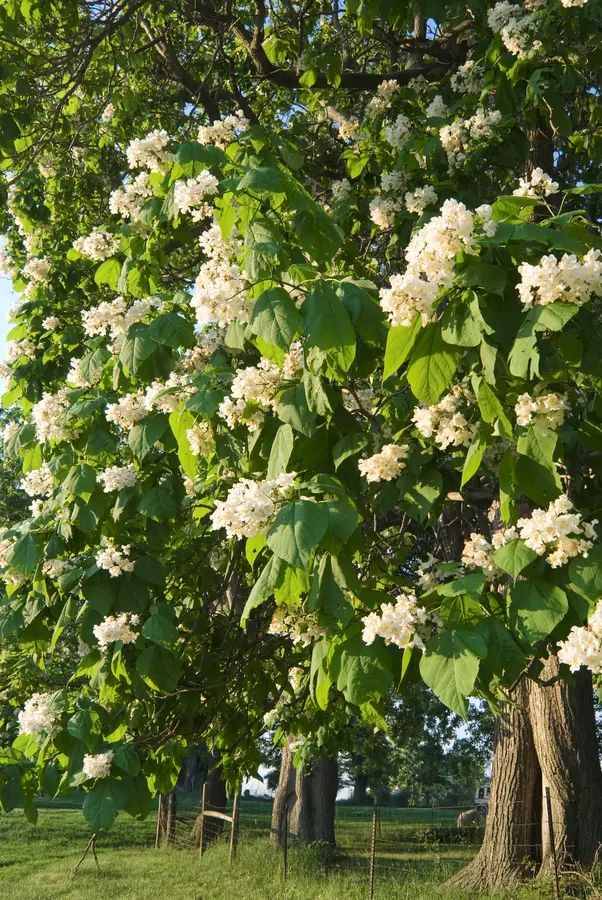
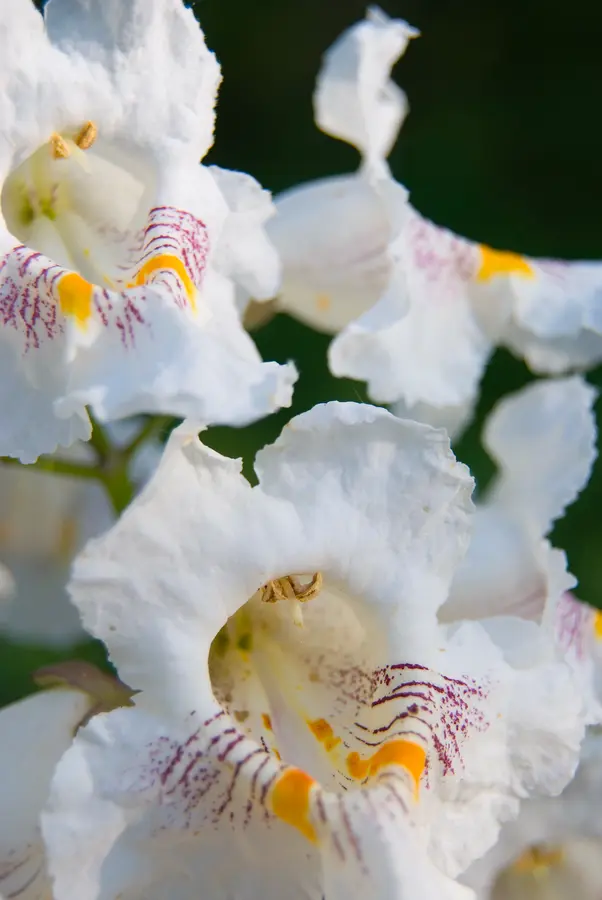
The Catalpa tree family is native to North America and has both a Southern Catalpa and Northern Catalpa species. We offer both species and ship the Catalpa species that will grow best in your area. Northern and Southern Catalpa trees are very similar in appearance, however the Northern Catalpa grows slightly larger and has slightly larger leaves, flowers, and seed pods. American Catalpa trees are well know for their big heart-shaped leaves but should be more recognized for their spectacular flowers that adorn the tree in late Spring. After the Catalpa tree flowers it is followed by a long bean-like seed pod that is very interesting throughout the Summer. Catalpa leaves are the sole food source for the Catalpa Sphinx moth, whose caterpillars (Catalpa worms) are highly prized as fish bait. The trees are fast growing to 30-50 feet and make great shade trees. Overall, American Catalpa trees are fascinating trees that have a lot to offer for their shade, Spring beauty, ornamental interest and even fish bait.
Characteristics
| Bloom Color | White with purple and yellow markings |
| Bloom Time | Late Spring |
| Fall Color | Yellow-green |
| Hardiness Zone Range | 4 - 10 |
| Shade/Sun | Full Sun to Part Shade |
| Soil Composition | Rich, loamy, and well-draining |
| Soil Moisture | When Young; water weekly - Mature Plants; Occasional Deep Watering |
| Soil pH Level | 5.0-7.0 |
| Mature Width | 20-50 Feet |
| Mature Height | 40-70 Feet |
Zones
USDA Hardiness Zones
A hardiness zone is a geographic area defined by average annual minimum winter temperatures, helping gardeners determine which plants can survive in their region. Developed by the USDA, the 13 numerical zones indicate cold hardiness—for example, a plant "hardy to zone 10" tolerates minimum temperatures of 30 to 40 °F (−1.1 to 4.4 °C).
Grows in zones: 4 - 10
This product grows in your zone!
A hardiness zone is a geographic area defined by average annual minimum winter temperatures, helping gardeners determine which plants can survive in their region. Developed by the USDA, the 13 numerical zones indicate cold hardiness—for example, a plant "hardy to zone 10" tolerates minimum temperatures of 30 to 40 °F (−1.1 to 4.4 °C).