

Bababerry Raspberry
1 Year
$9.95
Ships: 12/01/2026 - 04/01/2027
Description
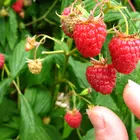
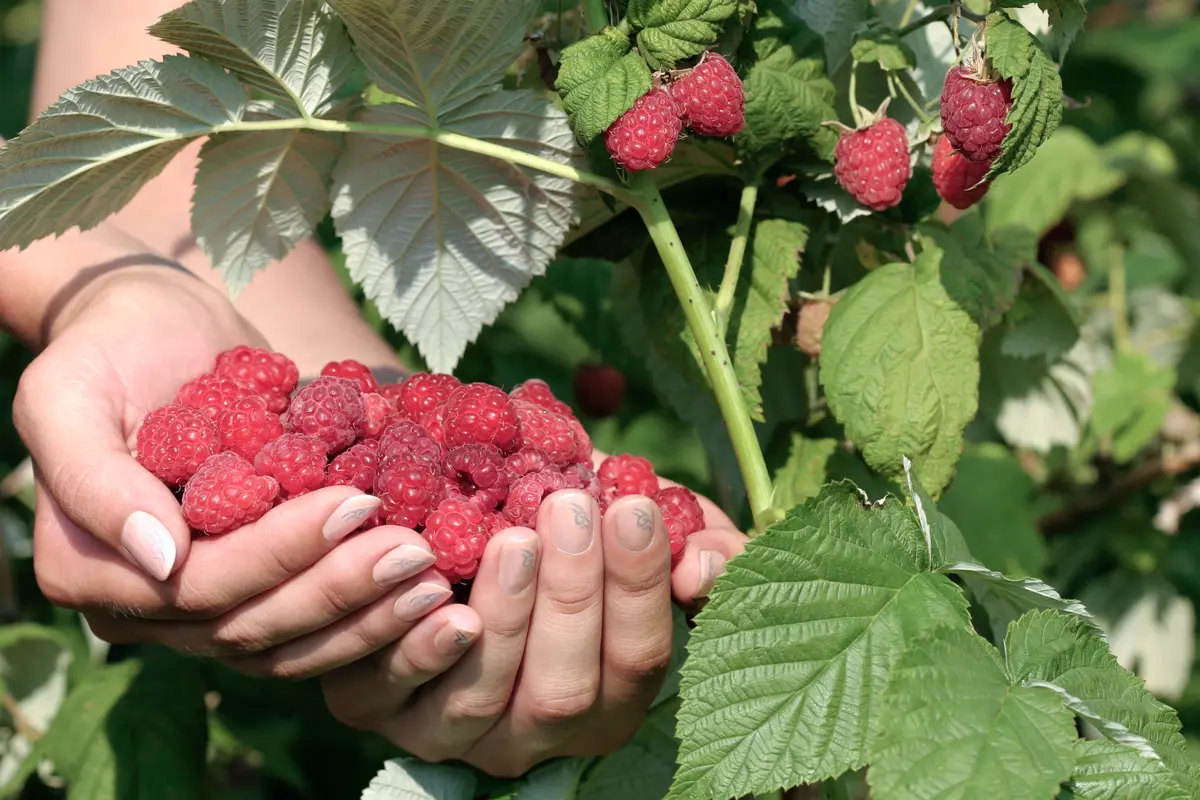
One of the largest raspberries, the Southern Bababerry Raspberry Plant is a rare, heat-tolerant everbearing variety. It produces a vibrant red, firm and sweet excellent flavored berry. This everbearing variety, produces large crops in early summer (June/July) and a smaller crop in late summer/fall (September/October). The plant requires a trellis or support system, as vigorous canes tend to sprawl and droop under the weight of the fruit. This variety thrives in hot subtropical climates requiring well-draining soil, deep watering, and afternoon shade to shield it from the intense Southern summer sun.
Characteristics
| Bloom Color | White |
| Bloom Time | Late Spring and Late Summer |
| Fruit Color | Rich Vibrant Red |
| Fruit Size | Large to Extra Large |
| Hardiness Zone Range | 6 - 10 |
| Pollination | Self Fertile |
| Ripens/Harvest | June/July and September/October |
| Shade/Sun | Full Sun |
| Soil Composition | Organically rich loamy humus, slightly acidic |
| Soil Moisture | Well-drained |
| Soil pH Level | 5.8-6.5 |
| Taste | Sweet |
| Texture | Firm |
| Years to Bear | 1-2 Years |
| Mature Width | 2-3 Feet Wide |
| Mature Height | 4-6 Feet Tall |
Zones
USDA Hardiness Zones
A hardiness zone is a geographic area defined as having a certain average annual minimum temperature, a factor relevant to the survival of many plants. In some systems other statistics are included in the calculations. The original and most widely used system, developed by the United States Department of Agriculture (USDA) as a rough guide for landscaping and gardening, defines 13 zones by long-term average annual extreme minimum temperatures. It has been adapted by and to other countries (such as Canada) in various forms. A plant may be described as "hardy to zone 10": this means that the plant can withstand a minimum temperature of −1.1 to 4.4 °C (30 to 40 °F).
Grows in zones: 6 - 10
This product grows in your zone!
A hardiness zone is a geographic area defined as having a certain average annual minimum temperature, a factor relevant to the survival of many plants. In some systems other statistics are included in the calculations. The original and most widely used system, developed by the United States Department of Agriculture (USDA) as a rough guide for landscaping and gardening, defines 13 zones by long-term average annual extreme minimum temperatures. It has been adapted by and to other countries (such as Canada) in various forms. A plant may be described as "hardy to zone 10": this means that the plant can withstand a minimum temperature of −1.1 to 4.4 °C (30 to 40 °F).