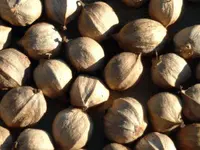
Shagbark Hickory Tree
6-12"
$8.95
Ships: 12/01/2026 - 04/01/2027
Description
This product cannot be shipped to California.
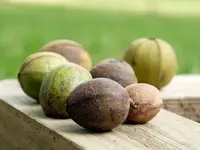
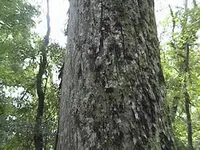
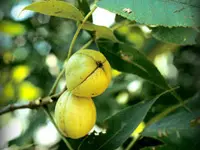
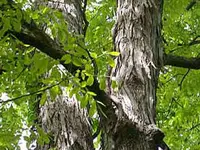
The Shagbark Hickory Tree features a distinctive, shag covered bark, which is easily discernible on the taller, straight trees, and such is where it gets its name from. It grows well in both wet and dry locations, however it thrives when planted in well-drained soils, and is normally among oak trees. The wood has a strong, hard, elastic trait, and makes excellent firewood and smoking wood for meat. The nuts are edible, and can attract smaller wildlife to your yard, such as squirrels and rabbits, who enjoy feeding upon the nuts sweet kernels. Buy hickory trees online with Willis Orchards!
Characteristics
| Bloom Color | Yellowish-Green |
| Bloom Time | Spring |
| Fruit Color | Golden Brown |
| Fruit Size | 1-2 inches |
| Hardiness Zone Range | 5 - 9 |
| Pollination | Requires Pollinator |
| Ripens/Harvest | September - October |
| Shade/Sun | Full Sun |
| Soil Composition | Nutrient Rich Loam |
| Soil Moisture | Well-Draining |
| Soil pH Level | 6.0-7.0 |
| Taste | Rich & Buttery |
| Texture | Meaty & Crisp |
| Years to Bear | 10-40 |
Zones
USDA Hardiness Zones
A hardiness zone is a geographic area defined by average annual minimum winter temperatures, helping gardeners determine which plants can survive in their region. Developed by the USDA, the 13 numerical zones indicate cold hardiness—for example, a plant "hardy to zone 10" tolerates minimum temperatures of 30 to 40 °F (−1.1 to 4.4 °C).
Grows in zones: 5 - 9
This product grows in your zone!
A hardiness zone is a geographic area defined by average annual minimum winter temperatures, helping gardeners determine which plants can survive in their region. Developed by the USDA, the 13 numerical zones indicate cold hardiness—for example, a plant "hardy to zone 10" tolerates minimum temperatures of 30 to 40 °F (−1.1 to 4.4 °C).