Fuyu Persimmon Tree
2-3'
$44.95
Ships: 12/01/2025 - 04/01/2026
Description
This product cannot be shipped to California.
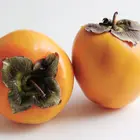
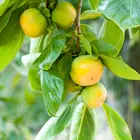
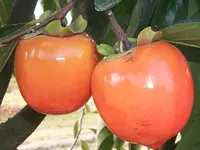
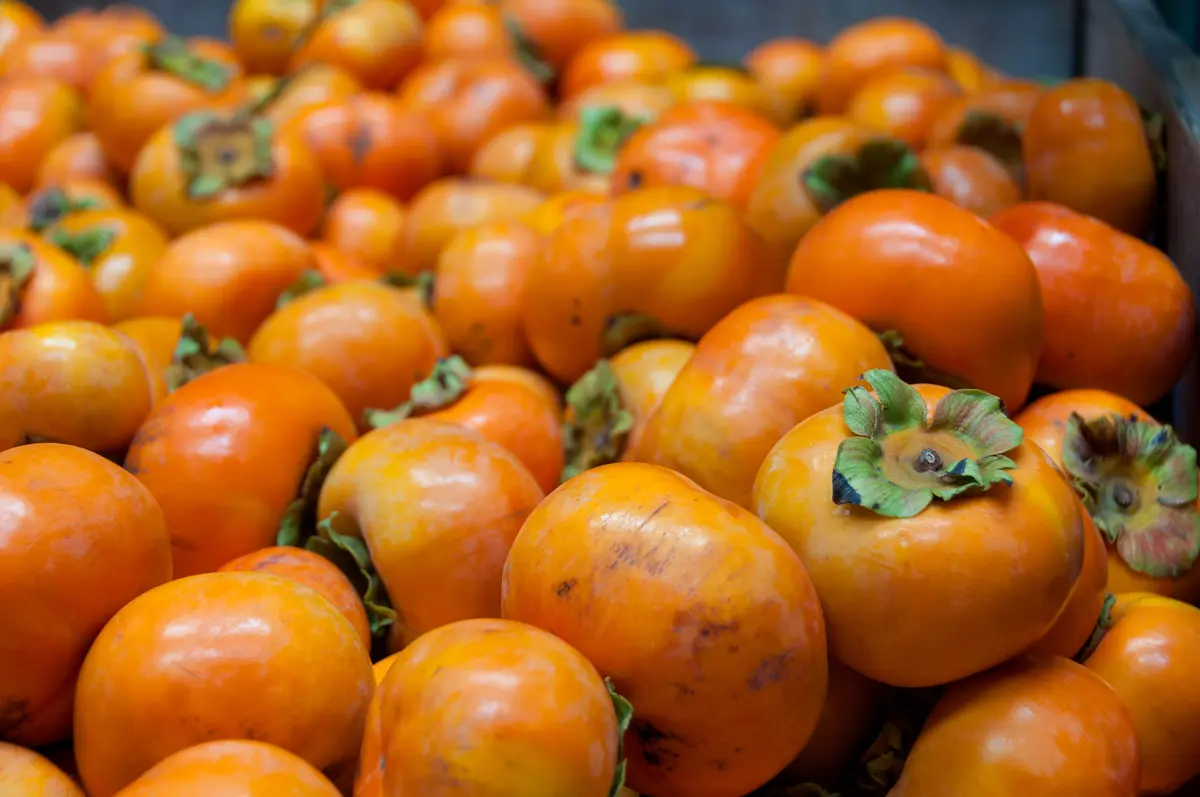
The Fuyu Persimmon Tree, part of the Japanese Persimmon Tree family, is one of the most popular fresh eating Japanese persimmon plants in the world. This non-astringent, large, round, flattened fruit has reddish-orange skin when ripe. The Fuyu Persimmon tree bears at a young age and is a heavy producer. The fruit is seedless and is excellent for fresh eating or cooking. The Fuyu ripens in November and is as sweet and crisp as an apple.
Characteristics
| Bloom Color | Creamy-White |
| Bloom Time | Late Spring - Early Summer |
| Fruit Color | Orange-Red |
| Fruit Size | Large, round |
| Hardiness Zone Range | 7 - 10 |
| Pollination | Self-fertile |
| Ripens/Harvest | November |
| Shade/Sun | Full Sun |
| Soil Composition | Rich, loamy, and well-draining |
| Soil Moisture | Water weekly |
| Soil pH Level | 6.0-7.0 |
| Taste | Sweet |
| Texture | Firm |
| Years to Bear | 2-3 years |
Pricing
| Size | Price | Ships |
|---|---|---|
|
2-3'
|
$44.95 | 12/01/2025 - 04/01/2026 |
|
3-4'
|
$54.95 | 12/01/2025 - 04/01/2026 |
|
+/-6'
|
$99.95 | 12/01/2025 - 04/01/2026 |
Zones
USDA Hardiness Zones
A hardiness zone is a geographic area defined as having a certain average annual minimum temperature, a factor relevant to the survival of many plants. In some systems other statistics are included in the calculations. The original and most widely used system, developed by the United States Department of Agriculture (USDA) as a rough guide for landscaping and gardening, defines 13 zones by long-term average annual extreme minimum temperatures. It has been adapted by and to other countries (such as Canada) in various forms. A plant may be described as "hardy to zone 10": this means that the plant can withstand a minimum temperature of −1.1 to 4.4 °C (30 to 40 °F).
Grows in zones: 7 - 10
This product does not grow in your zone!
A hardiness zone is a geographic area defined as having a certain average annual minimum temperature, a factor relevant to the survival of many plants. In some systems other statistics are included in the calculations. The original and most widely used system, developed by the United States Department of Agriculture (USDA) as a rough guide for landscaping and gardening, defines 13 zones by long-term average annual extreme minimum temperatures. It has been adapted by and to other countries (such as Canada) in various forms. A plant may be described as "hardy to zone 10": this means that the plant can withstand a minimum temperature of −1.1 to 4.4 °C (30 to 40 °F).