
Chocolate Persimmon Tree
+/-6'
$109.95
Ships: 12/01/2026 - 04/01/2027
Description
This product cannot be shipped to California.
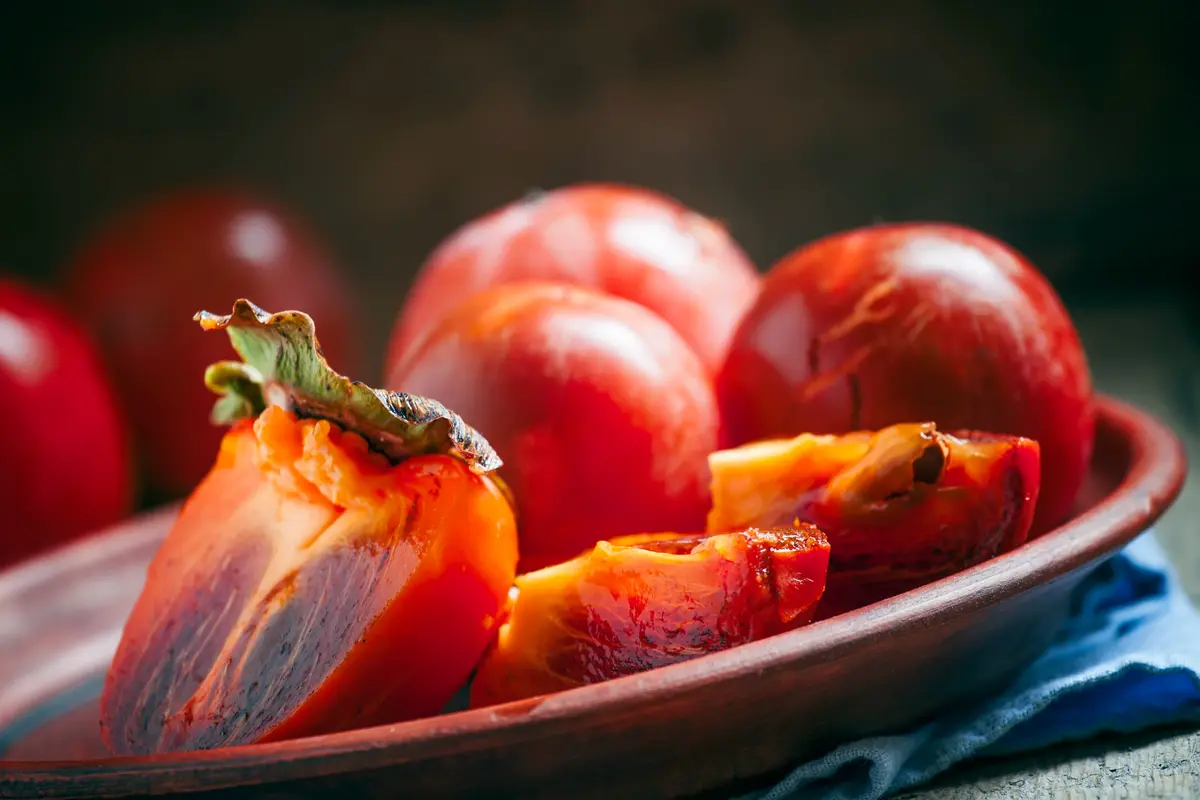
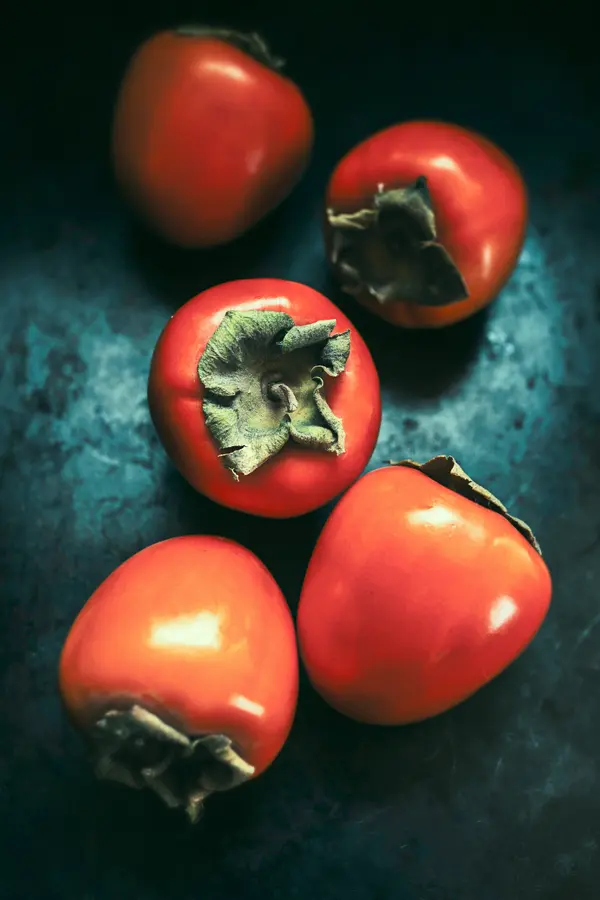
The Chocolate Persimmon Tree received its name because this medium-sized Japanese type persimmon has a chocolaty-brown flesh that is extremely tasty and sweet. Trace amounts of alcohol released from the seeds during the ripening process turn the flesh brown and soften the astringency creating a very rich, distinctive flavor. This elongated, non-astringent persimmon fruit tree ripens late October into early November. Order a quality Chocolate Persimmon Tree for sale from Willis Orchards!
Characteristics
| Bloom Color | Creamy-White |
| Bloom Time | Late Spring - Early Summer |
| Fruit Color | Orange-Red |
| Fruit Size | Medium, oblong |
| Hardiness Zone Range | 7 - 10 |
| Pollination | Self-fertile |
| Ripens/Harvest | September |
| Shade/Sun | Full Sun |
| Soil Composition | Rich, loamy, and well-draining |
| Soil Moisture | Water weekly |
| Soil pH Level | 6.0-7.0 |
| Taste | Sweet, spicy |
| Texture | Firm |
| Years to Bear | 2-3 years |
Zones
USDA Hardiness Zones
A hardiness zone is a geographic area defined by average annual minimum winter temperatures, helping gardeners determine which plants can survive in their region. Developed by the USDA, the 13 numerical zones indicate cold hardiness—for example, a plant "hardy to zone 10" tolerates minimum temperatures of 30 to 40 °F (−1.1 to 4.4 °C).
Grows in zones: 7 - 10
This product does not grow in your zone!
A hardiness zone is a geographic area defined by average annual minimum winter temperatures, helping gardeners determine which plants can survive in their region. Developed by the USDA, the 13 numerical zones indicate cold hardiness—for example, a plant "hardy to zone 10" tolerates minimum temperatures of 30 to 40 °F (−1.1 to 4.4 °C).