Arctic Fantasy Nectarine Tree
+/-3'
$24.95
Ships: 12/01/2026 - 03/15/2027
Description
This product cannot be shipped to California.
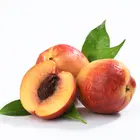
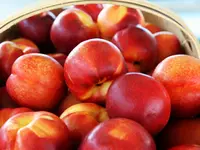
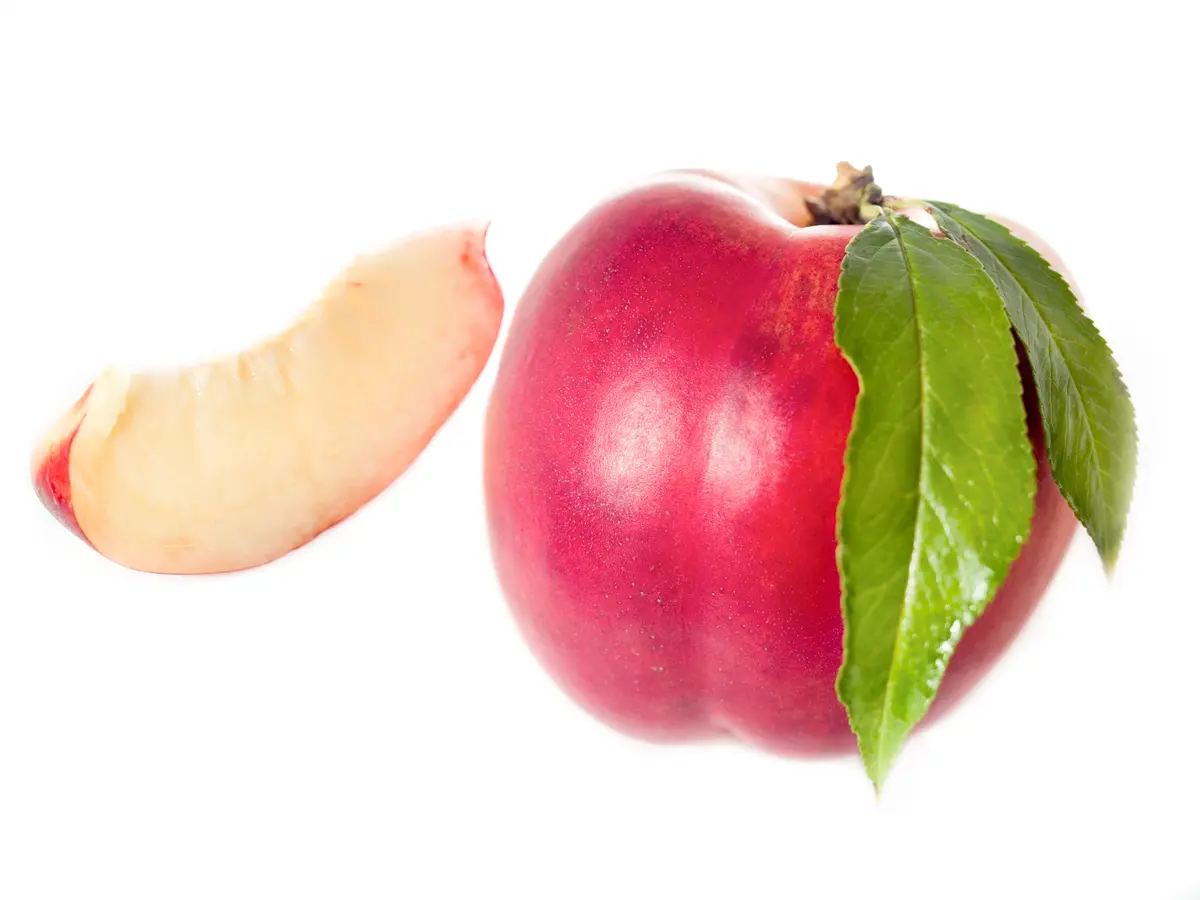
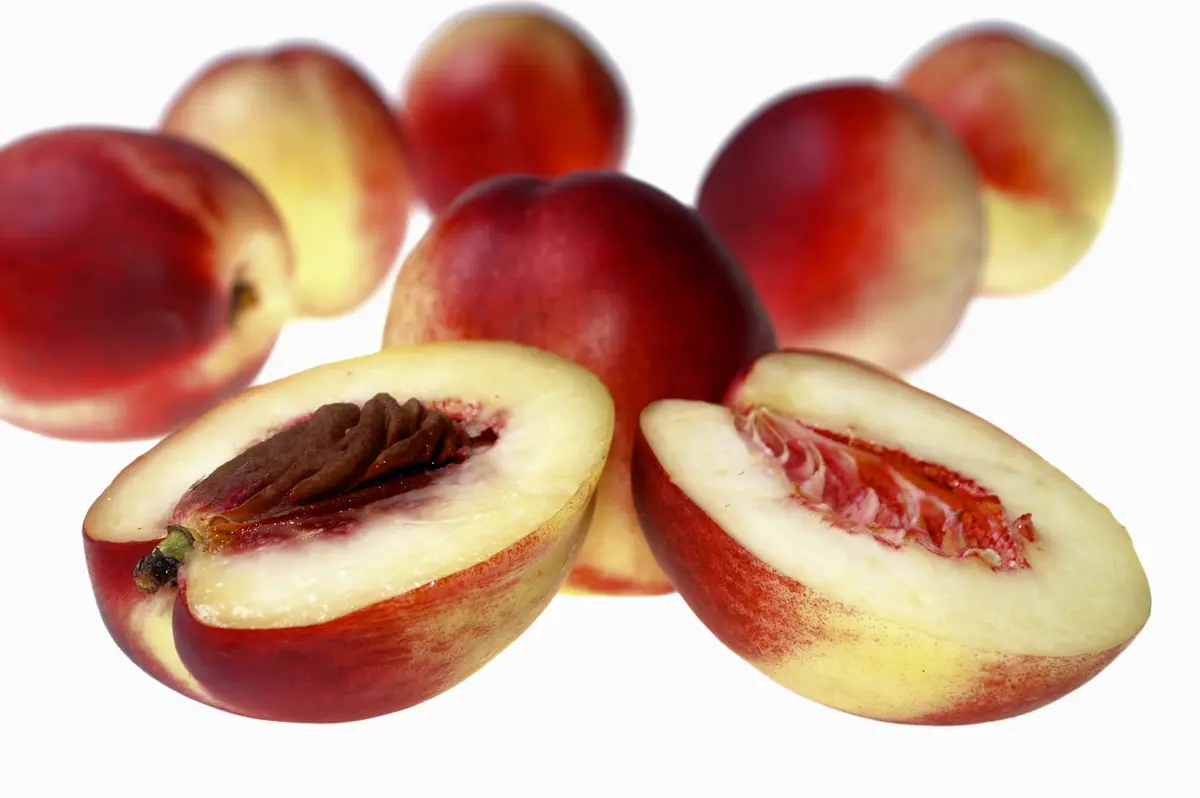
Similar to everyone's favorite, Goldmine, except its larger, tastier and even more colorful. This beautiful red nectarine has extremely sweet, luscious white flesh. Arctic Fantasy is a consistent taste test winner. The Arctic Fantasy Nectarine ripens in early August. (400 Chill Hours)
Characteristics
| Bloom Color | Bright Pink |
| Bloom Time | February - April |
| Fruit Color | Red |
| Fruit Size | 2.5-3 inch diameter |
| Hardiness Zone Range | 5 - 9 |
| Pollination | Self Fertile |
| Ripens/Harvest | August |
| Shade/Sun | Full Sun |
| Soil Composition | Sandy Loam |
| Soil Moisture | Well Draining |
| Soil pH Level | 6.0-6.5 |
| Taste | Sweet & Well Balanced |
| Texture | Firm & Crisp |
| Years to Bear | 2-5 |
Pricing
| Size | Price | Ships |
|---|---|---|
|
+/-3'
|
$24.95 | 12/01/2026 - 03/15/2027 |
|
5-6' (3/4-1" caliper - Fruiting Size)
|
$49.95 | 12/01/2026 - 03/15/2027 |
|
5-6' (1" caliper / EZ-Pick Fruiting Size)
|
$54.95 | 12/01/2026 - 03/15/2027 |
|
6-7' (1" caliper - Fruiting Size)
|
$74.95 | 12/01/2026 - 03/15/2027 |
|
6-7' (1.25"caliper / EZ-Pick Instant Orchard!)
|
$84.95 | 12/01/2026 - 03/15/2027 |
Zones
Shaded areas show where this product grows.
USDA Hardiness Zones
A hardiness zone is a geographic area defined by average annual minimum winter temperatures, helping gardeners determine which plants can survive in their region. Developed by the USDA, the 13 numerical zones indicate cold hardiness—for example, a plant "hardy to zone 10" tolerates minimum temperatures of 30 to 40 °F (−1.1 to 4.4 °C).
Grows in zones: 5 - 9
A hardiness zone is a geographic area defined by average annual minimum winter temperatures, helping gardeners determine which plants can survive in their region. Developed by the USDA, the 13 numerical zones indicate cold hardiness—for example, a plant "hardy to zone 10" tolerates minimum temperatures of 30 to 40 °F (−1.1 to 4.4 °C).