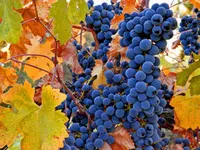
Venus Bunch Grape Vine
2 Year Old Vine
$18.95
Ships: 12/01/2026 - 04/01/2027
Description
This product cannot be shipped to Washington.
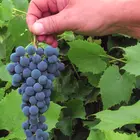
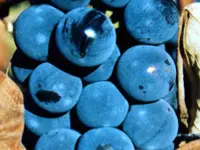
The Venus grape is large with a blue-black color. Its flavor is a wonderful sweet fruitiness with a suggestion of muscat. Seedless Venus grapes are excellent for table, wine, and juice. These southern Venus bunch grape vines are very vigorous with good productivity. Spur pruning. Ripens in August, just before Concord.
Characteristics
| Bloom Color | Greenish-white |
| Bloom Time | Late Spring - Early Summer |
| Fruit Color | Blue-Black |
| Fruit Size | Large |
| Hardiness Zone Range | 6 - 10 |
| Pollination | Self-fertile |
| Ripens/Harvest | August |
| Shade/Sun | Full Sun |
| Soil Composition | Sandy, loamy, and well-draining |
| Soil Moisture | When Young; water weekly - Mature Plants; Occasional Deep Watering |
| Soil pH Level | 5.5-6.5 |
| Years to Bear | 3 years |
Zones
Shaded areas show where this product grows.
USDA Hardiness Zones
A hardiness zone is a geographic area defined by average annual minimum winter temperatures, helping gardeners determine which plants can survive in their region. Developed by the USDA, the 13 numerical zones indicate cold hardiness—for example, a plant "hardy to zone 10" tolerates minimum temperatures of 30 to 40 °F (−1.1 to 4.4 °C).
Grows in zones: 6 - 10
A hardiness zone is a geographic area defined by average annual minimum winter temperatures, helping gardeners determine which plants can survive in their region. Developed by the USDA, the 13 numerical zones indicate cold hardiness—for example, a plant "hardy to zone 10" tolerates minimum temperatures of 30 to 40 °F (−1.1 to 4.4 °C).