

Ice Cream Banana Plant
(2-3' Tall)
$39.95
Ships: 10/15/2026 - 06/01/2027
Description
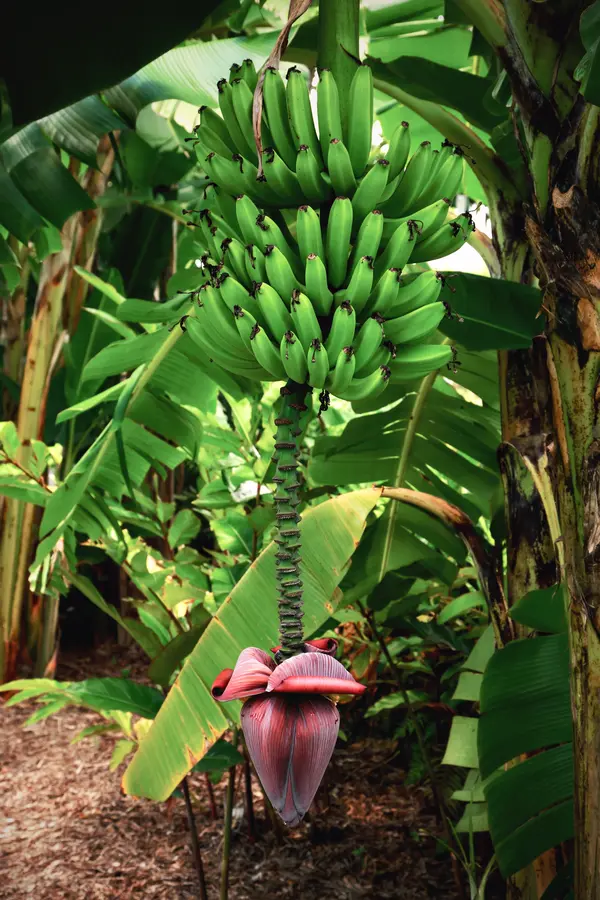
The Ice Cream Banana Plant grows to 15 ft. tall and is highly regarded as one of the best tasting fruit producers with hints of vanilla ice cream. The fruit of these Ice Cream Banana trees for sale has beautiful skin with a silvery blue sheen.
Characteristics
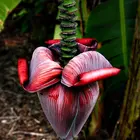
| Bloom Color | Reddish/Purple |
| Bloom Time | Summer |
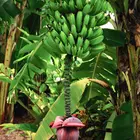
| Fruit Color | Silvery, bluish-green to a pale yellow when fully ripe. |
| Fruit Size | 7-9 inches |
| Hardiness Zone Range | 8 - 10 |
| Pollination | Self-fertile |
| Ripens/Harvest | Fall/Winter |
| Shade/Sun | Full Sun |
| Soil Composition | Rich, loamy, and well-draining |
| Soil Moisture | Keep the soil consistently moist but never waterlogged. |
| Soil pH Level | 5.5-7 |
| Taste | Sweet |
| Texture | Soft |
| Years to Bear | 1-2 Years |
Pricing
| Size | Price | Ships |
|---|---|---|
|
(+/-6" Tall Offset Bulb)
|
Sold Out | 10/15/2026 - 06/01/2027 |
|
(1-2' Tall)
|
Sold Out | 10/15/2026 - 06/01/2027 |
|
(2-3' Tall)
|
$39.95 | 10/15/2026 - 06/01/2027 |
|
(+/-3' Tall)
|
$59.95 | 10/15/2026 - 06/01/2027 |
|
(+/-4' Tall)
|
$79.95 | 10/15/2026 - 06/01/2027 |
Zones
Shaded areas show where this product grows.
USDA Hardiness Zones
A hardiness zone is a geographic area defined by average annual minimum winter temperatures, helping gardeners determine which plants can survive in their region. Developed by the USDA, the 13 numerical zones indicate cold hardiness—for example, a plant "hardy to zone 10" tolerates minimum temperatures of 30 to 40 °F (−1.1 to 4.4 °C).
Grows in zones: 8 - 10
A hardiness zone is a geographic area defined by average annual minimum winter temperatures, helping gardeners determine which plants can survive in their region. Developed by the USDA, the 13 numerical zones indicate cold hardiness—for example, a plant "hardy to zone 10" tolerates minimum temperatures of 30 to 40 °F (−1.1 to 4.4 °C).