Celestial Fig Tree
+/-1'
$19.95
Ships: 10/15/2026 - 06/01/2027
Description
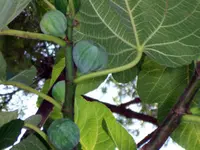
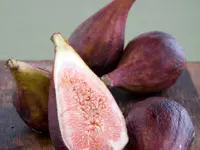
The Celestial Fig Tree is a regional favorite of the Gulf Coast due to its excellent quality, high yields and cold tolerance. This variety has long been grown in areas that dip into the single digits from time to time. When planting fig trees such as this Celestial, you will notice they produce small to medium-sized violet to purplish-brown figs with a white flesh, shading to rose at the center. It is firm, juicy, and one of the sweetest of all figs. Sometimes referred to as the Sugar Fig Tree.
Characteristics
| Fruit Color | Purplish-Brown |
| Fruit Size | 1.5 inch diameter |
| Hardiness Zone Range | 7 - 10 |
| Pollination | Self Fertile |
| Ripens/Harvest | July - September |
| Shade/Sun | Full Sun |
| Soil Composition | Loam |
| Soil Moisture | Well Draining |
| Soil pH Level | 6.0-7.0 |
| Taste | Sugary-Sweet |
| Texture | Soft |
| Years to Bear | 1-5 |
Pricing
Zones
USDA Hardiness Zones
A hardiness zone is a geographic area defined as having a certain average annual minimum temperature, a factor relevant to the survival of many plants. In some systems other statistics are included in the calculations. The original and most widely used system, developed by the United States Department of Agriculture (USDA) as a rough guide for landscaping and gardening, defines 13 zones by long-term average annual extreme minimum temperatures. It has been adapted by and to other countries (such as Canada) in various forms. A plant may be described as "hardy to zone 10": this means that the plant can withstand a minimum temperature of −1.1 to 4.4 °C (30 to 40 °F).
Grows in zones: 7 - 10
This product does not grow in your zone!
A hardiness zone is a geographic area defined as having a certain average annual minimum temperature, a factor relevant to the survival of many plants. In some systems other statistics are included in the calculations. The original and most widely used system, developed by the United States Department of Agriculture (USDA) as a rough guide for landscaping and gardening, defines 13 zones by long-term average annual extreme minimum temperatures. It has been adapted by and to other countries (such as Canada) in various forms. A plant may be described as "hardy to zone 10": this means that the plant can withstand a minimum temperature of −1.1 to 4.4 °C (30 to 40 °F).