


Black Mission Fig Tree
+/-1'
$19.95
Ships: 10/15/2026 - 06/01/2027
Description
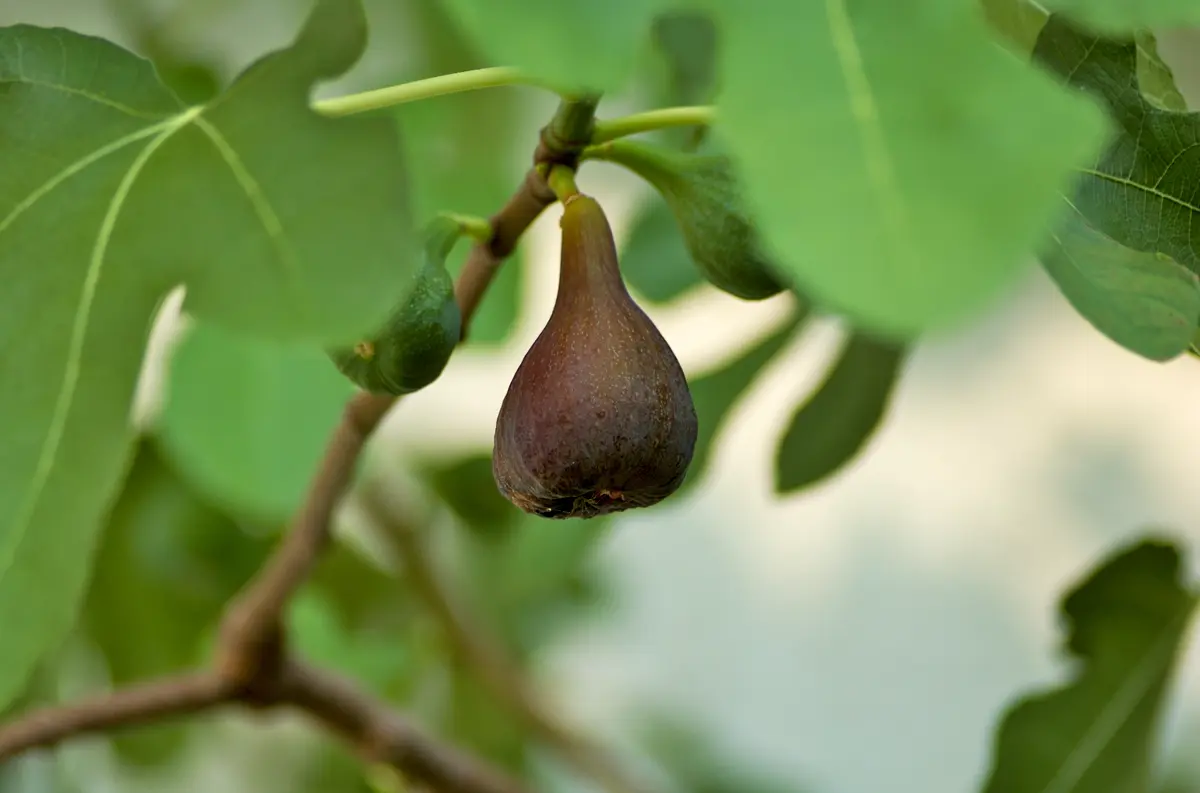
The Black Mission Fig Tree is one of the most popular figs originating from Spain and brought to North America by Spanish missionaries. Our Black Mission Fig Trees for sale produce a medium to large, pear-shaped, purplish-black fig. Once you plant and harvest this fig tree you will notice its flesh is strawberry colored and exudes excellent flavor. Many experts consider the Black Mission Fig Tree to be the best all-around variety for the south, north, coast and interior United States. Black Mission Figs ripen Summer to Fall. Buy Black Mission Fig Trees at Willis Orchards!
Characteristics
| Fruit Color | Purplish-Black |
| Fruit Size | 1-2 inch diameter |
| Hardiness Zone Range | 7 - 10 |
| Pollination | Self Fertile |
| Ripens/Harvest | Breba - May-June; Main Crop - August-October |
| Shade/Sun | Full Sun |
| Soil Composition | Loam |
| Soil Moisture | Well Draining |
| Soil pH Level | 6.0-7.0 |
| Taste | Sweet |
| Texture | Soft |
| Years to Bear | 1-5 |
Pricing
| Size | Price | Ships |
|---|---|---|
|
+/-1'
|
$19.95 | 10/15/2026 - 06/01/2027 |
|
+/-2'
|
$29.95 | 10/15/2026 - 06/01/2027 |
|
+/-3' (Fruiting Size)
|
$49.95 | 10/15/2026 - 06/01/2027 |
|
+/-4' (Fruiting Size)
|
$64.95 | 10/15/2026 - 06/01/2027 |
Zones
Shaded areas show where this product grows.
USDA Hardiness Zones
A hardiness zone is a geographic area defined by average annual minimum winter temperatures, helping gardeners determine which plants can survive in their region. Developed by the USDA, the 13 numerical zones indicate cold hardiness—for example, a plant "hardy to zone 10" tolerates minimum temperatures of 30 to 40 °F (−1.1 to 4.4 °C).
Grows in zones: 7 - 10
A hardiness zone is a geographic area defined by average annual minimum winter temperatures, helping gardeners determine which plants can survive in their region. Developed by the USDA, the 13 numerical zones indicate cold hardiness—for example, a plant "hardy to zone 10" tolerates minimum temperatures of 30 to 40 °F (−1.1 to 4.4 °C).