20th Century Asian Pear Tree
4-5'
$34.95
Ships: 12/01/2026 - 03/15/2027
Description
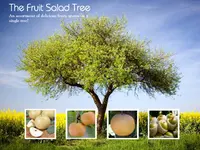
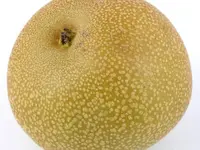
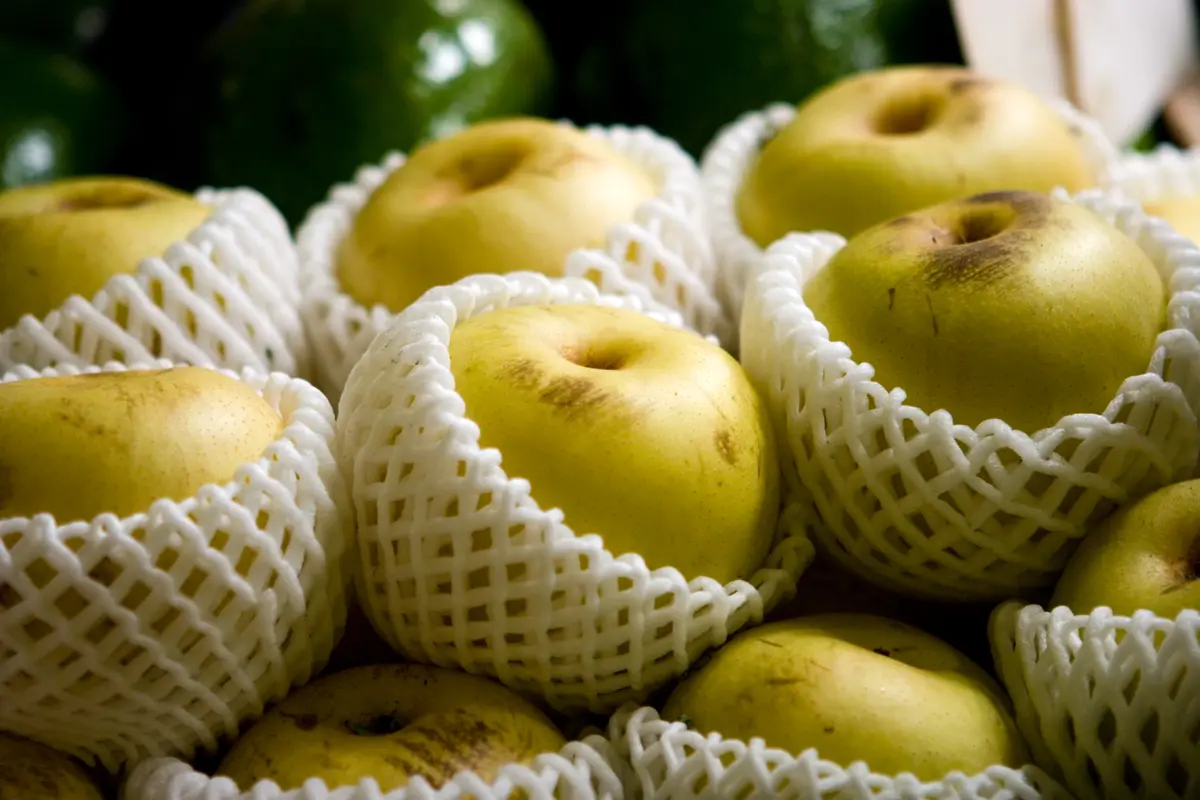
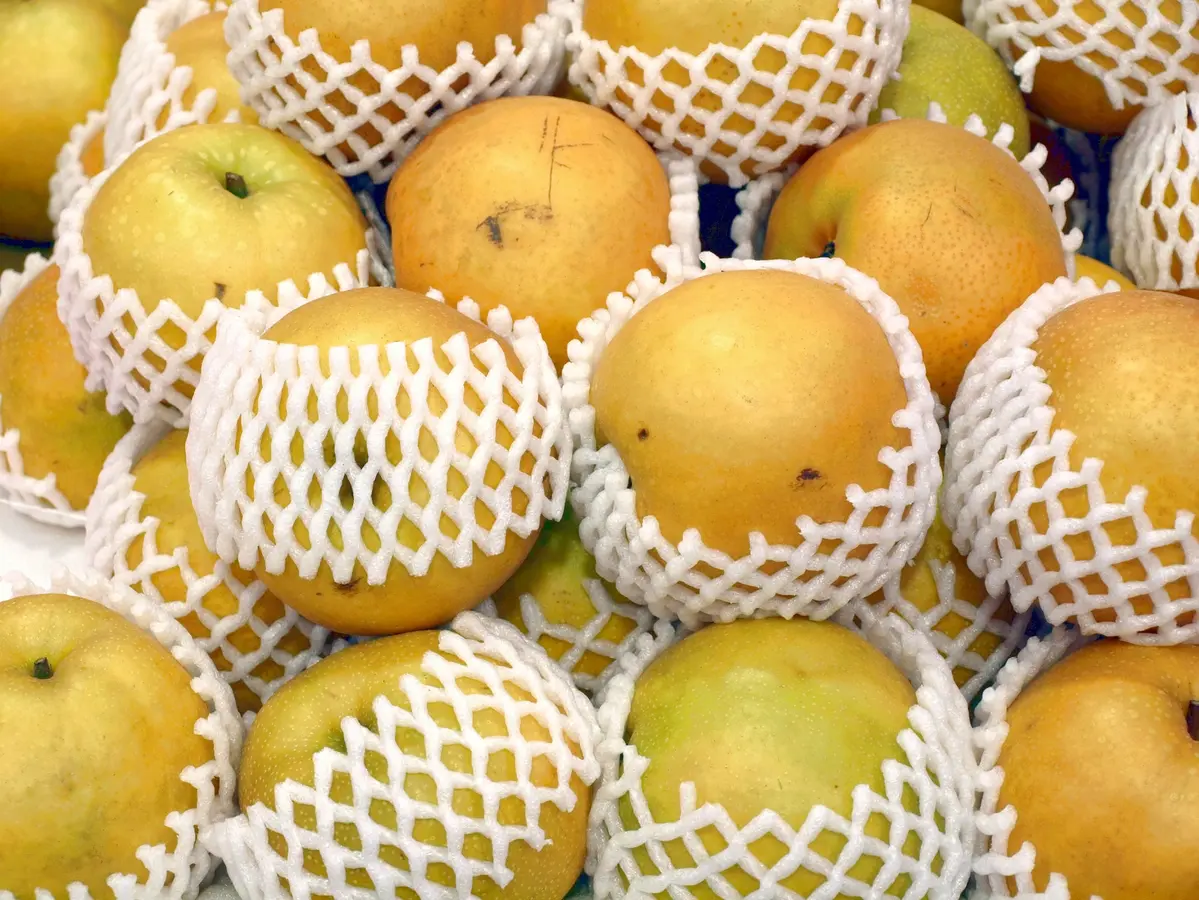
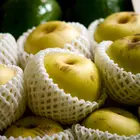
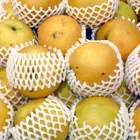
The 20th Century Asian Pear Tree is an August ripening Japanese variety that is semi-self fertile. It is a medium to large, round yellow-green colored pear of good quality and decent sweet taste. This juicy Asian Pear treat is great eaten fresh and it stores well for canning and preserving. The 20th Century Asian Pear will set a much heavier crop when planted with one of the other Asian pear varieties. Requires 400 chill hours. Will grow in zones 5-9a.
Characteristics
| Bloom Color | White |
| Bloom Time | Late Season |
| Fruit Color | Yellow-Green |
| Fruit Size | 2.5-3 inches |
| Hardiness Zone Range | 5 - 9 |
| Pollination | Partially Self-Fertile |
| Ripens/Harvest | August |
| Shade/Sun | Full Sun |
| Soil Composition | High Organic Content / Loam |
| Soil Moisture | Damp / Well Draining |
| Soil pH Level | 6.0-7.0 |
| Taste | Sweet |
| Texture | Crisp & Crunchy |
| Years to Bear | 3-5 |
Pricing
| Size | Price | Ships |
|---|---|---|
|
4-5'
|
$34.95 | 12/01/2026 - 03/15/2027 |
|
5-6'
|
$39.95 | 12/01/2026 - 03/15/2027 |
|
6-7' (3/4 - 1" caliper)
|
$64.95 | 12/01/2026 - 03/15/2027 |
|
6-7' (1" caliper - Fruiting Size)
|
$84.95 | 12/01/2026 - 03/15/2027 |
|
6-7' (1.25" cal. - Instant Orchard Size!)
|
$99.95 | 12/01/2026 - 03/15/2027 |
Zones
USDA Hardiness Zones
A hardiness zone is a geographic area defined as having a certain average annual minimum temperature, a factor relevant to the survival of many plants. In some systems other statistics are included in the calculations. The original and most widely used system, developed by the United States Department of Agriculture (USDA) as a rough guide for landscaping and gardening, defines 13 zones by long-term average annual extreme minimum temperatures. It has been adapted by and to other countries (such as Canada) in various forms. A plant may be described as "hardy to zone 10": this means that the plant can withstand a minimum temperature of −1.1 to 4.4 °C (30 to 40 °F).
Grows in zones: 5 - 9
This product grows in your zone!
A hardiness zone is a geographic area defined as having a certain average annual minimum temperature, a factor relevant to the survival of many plants. In some systems other statistics are included in the calculations. The original and most widely used system, developed by the United States Department of Agriculture (USDA) as a rough guide for landscaping and gardening, defines 13 zones by long-term average annual extreme minimum temperatures. It has been adapted by and to other countries (such as Canada) in various forms. A plant may be described as "hardy to zone 10": this means that the plant can withstand a minimum temperature of −1.1 to 4.4 °C (30 to 40 °F).